REVIEW · TENERIFE
Tenerife: Paragliding with National Champion Paraglider
Book on GetYourGuide →Operated by Sky of Tenerife · Bookable on GetYourGuide
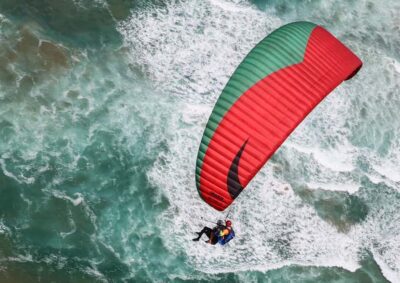
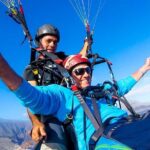
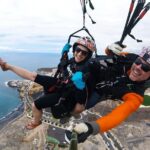
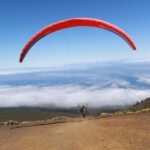
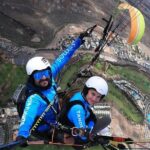
A birds-eye view of Tenerife is the fastest way to reset your trip. This tandem paragliding flight over Adeje mixes big views, national/world champion pilots, and a safety-first setup with real instruction. Two things I really like: you get a thorough pre-flight briefing (not a rushed pep talk), and you can choose the vibe from relaxed to adrenaline with optional in-air maneuvers. One thing to consider: the actual flying time is short—typically 15–35 minutes—so plan to savor it, not multitask.
You’re not just strapped in and sent off. Sky of Tenerife runs the whole day as a small-team experience, including hotel pickup, careful matching by weight and language, and an individualized briefing from the pilot right before launch. The drawback? If visibility is reduced by weather conditions like calima, your views can feel less crisp than the postcard versions.
In This Review
- Key highlights worth caring about
- Adeje paragliding: why this route works so well
- The team and safety approach (and how it shows up in practice)
- Champion pilots, but still “human”
- Equipment and control
- Pickup and the drive up: the part you shouldn’t skip mentally
- On launch day: what you’ll do before you’re off the ground
- Flight time: the 15–35 minute rule you should plan around
- Height and how it feels
- Over canyons and Adeje’s coast: what you’ll actually see
- If visibility isn’t perfect
- Acrobatic options and beach landing: choosing your thrill level
- The landing is part of the story
- Photos and video: what you get free, and when upgrades matter
- Price and value: is $153 a good deal?
- Timing, weather, and small-group comfort
- Who should book this, and who should sit it out
- Language and comfort
- Should you book Sky of Tenerife’s champion-guided paraglide?
- FAQ
- Where does pickup happen for the paragliding experience?
- How long is the total experience?
- How long is the flight in the air?
- What’s included in the price besides the flight?
- Can I do acrobatics, or is the flight calm?
- What languages are available during the briefing and flight?
- What should I bring?
- Are there age and weight limits?
- What photo options are available?
Key highlights worth caring about
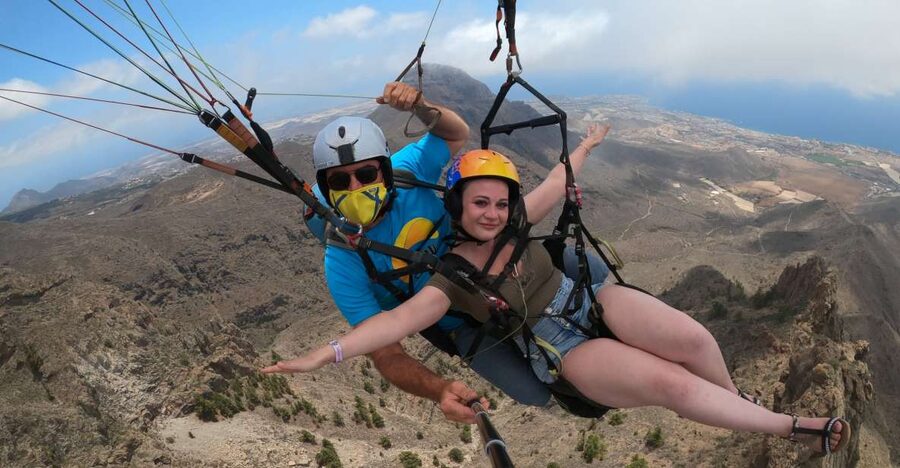
- Champion-pilot coaching under World Champion Daniel Crespo, plus a team of instructors who take safety seriously.
- Canyon-and-coast route options over ravines and/or the Conde ridge, usually ending near the Adeje coastline.
- Small group size (max 4), which keeps the day calmer and the instruction more personal.
- Pick-your-adventure flight: quiet and floaty, or more thrilling with optional acrobatics.
- Beach landing with a souvenir plan: you’ll get 5 free GoPro pics, with upgrades available.
- Multilingual team: English is standard, with many pilots also speaking Spanish, German, French, Italian (and others depending on the pilot).
Adeje paragliding: why this route works so well
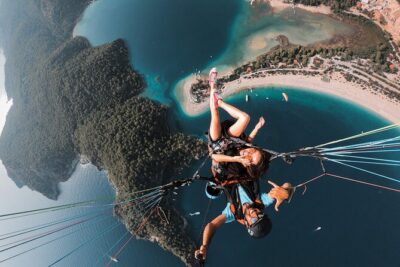
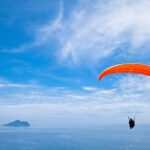
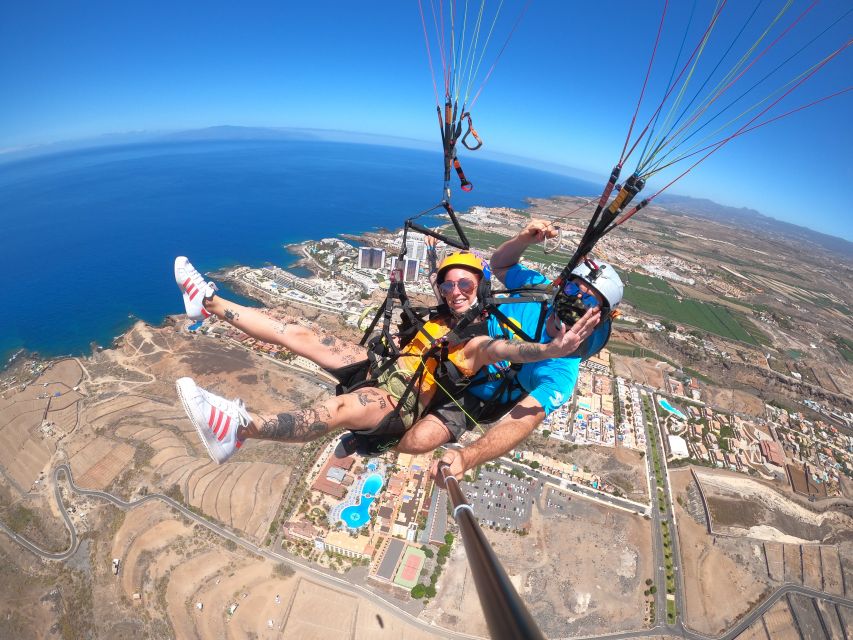
If you’re in Tenerife and you only want one “wow” activity, paragliding in the Adeje area makes a strong case. You get that rare combo of dramatic terrain and coastline in one flight: canyons and ravines on one side, the ocean and hotels on the other. Even if you’re not a thrill-seeker, the perspective shift is huge. The island looks bigger from above, and it’s easier to understand how Tenerife’s valleys cut through the volcanic rock.
What also helps is the way they handle the flight plan. Instead of using one rigid route, they adjust based on conditions and what’s safe that day. You still get the essentials—time in the air and that classic coastal finish—but the details can change.
This matters for you because paragliding isn’t an amusement-park script. Wind, air density, and visibility all affect how they fly, and they build their plan around that.
You can also read our reviews of more tours and experiences in Tenerife.
The team and safety approach (and how it shows up in practice)
This operation is run with a very clear philosophy: safety comes first, and it’s not just words on a brochure. You’ll start with a general briefing that covers take-off and landing protocols. Then there’s a second layer of care that I appreciate: they match pilots and passengers based on weight and language to optimize your experience.
After that matching, each pilot gives an individualized briefing before launch. That’s a big deal for first-timers. You get instructions in a way you can actually understand, and you don’t feel like you’re guessing about what’s going to happen next.
Champion pilots, but still “human”
The flight is guided by pilots with national and world champion credentials, led by World Champion Daniel Crespo. In practice, what that means for you is not just bragging rights—it usually translates into calm communication and confident decision-making. The names you might hear depend on the day, but you can also see world-champion pilots like Felix Rodriguez referenced in bookings.
What I take from the pattern is simple: you’re in the hands of people who do this often, and they’re used to nervous passengers. That shows up as steady coaching, clear steps, and a controlled launch rather than a chaotic scramble.
Equipment and control
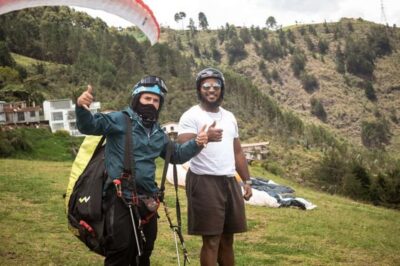
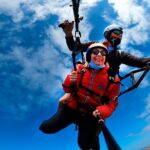
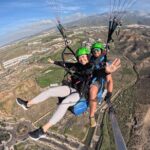
You’ll be provided a helmet and safety equipment. They also limit the group size to up to 4 participants, which helps keep attention on each passenger. Smaller groups mean fewer variables and less waiting around, which usually leads to a smoother emotional experience for you.
Pickup and the drive up: the part you shouldn’t skip mentally
You don’t just meet at some random spot. Pickup is built into the plan, with hotel transfers in Costa Adeje, Adeje, Las Americas, and Los Cristianos. There are lots of pickup options across the area, and the ride is part of the experience.
A typical flow looks like this:
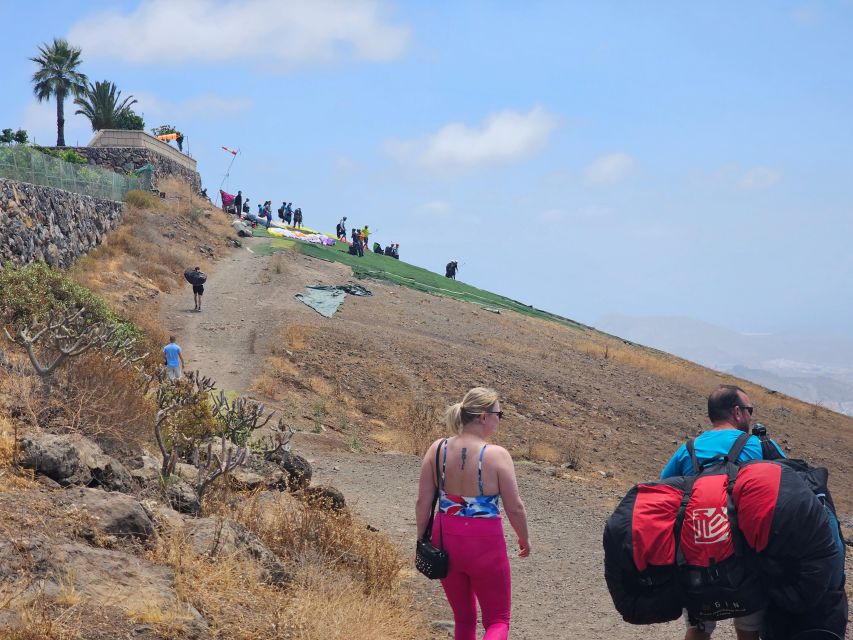
- You’re picked up from your hotel area, then you ride in a van for about 20 minutes.
- You arrive around Costa Adeje for a guided stretch that includes an aerial view moment, plus a safety briefing and scenic views on the way (about 45 minutes).
- Then you move again by van for a shorter transfer (about 15 minutes).
Why this matters: the day doesn’t start with you standing at a launch site wondering what’s next. They set expectations. You also get time to get your bearings and ask questions before the real excitement begins.
One practical note: drivers will wait no longer than 5 minutes after the scheduled pickup time. So when the morning plan says wait in the lobby, treat it like a real appointment, not a suggestion.
On launch day: what you’ll do before you’re off the ground
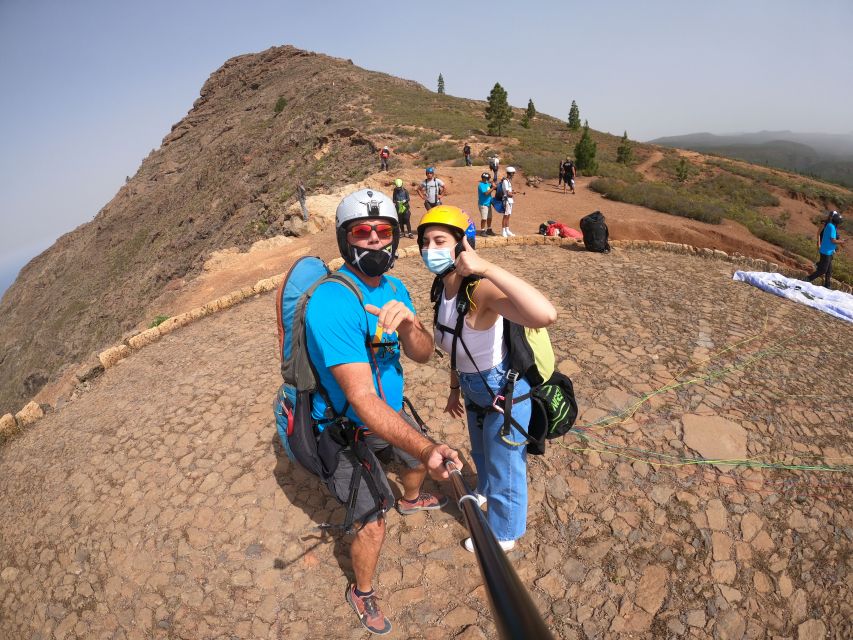
Right before takeoff, you’ll have done the basics—but here’s what you should be ready for emotionally.
You’ll receive:
- Take-off and landing guidance in the general briefing
- A weight-and-language matching process
- A pilot-specific briefing just before you launch
Then comes the takeoff itself, which is where your brain might try to write a horror movie. For many first-timers, the best way to handle it is also the simplest: listen, breathe, and trust that the pilot is controlling the glider while you focus on staying calm.
From the reviews and the way the operation is described, the team’s communication tends to be clear and reassuring. That doesn’t remove nerves, but it helps you convert fear into attention. Think: instead of fighting the moment, you follow the steps.
Flight time: the 15–35 minute rule you should plan around
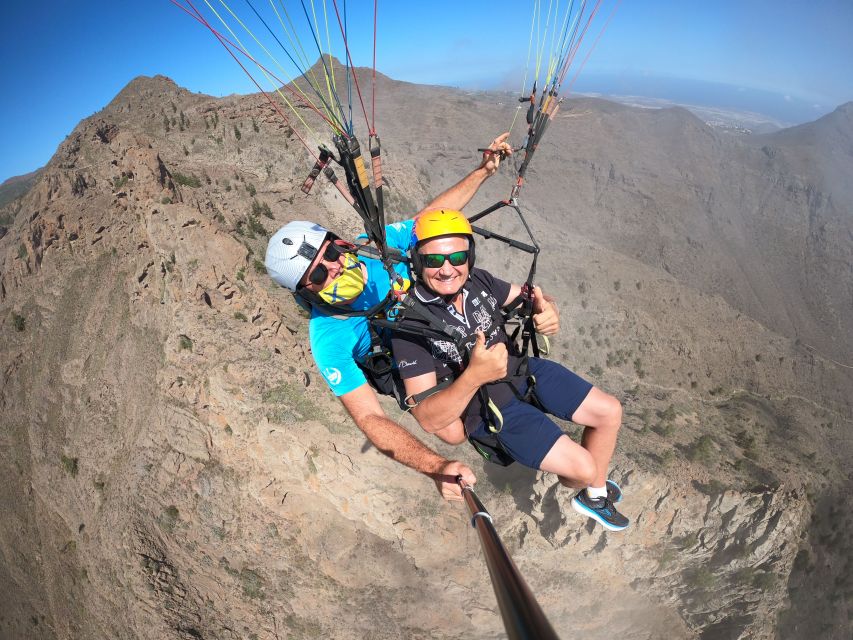
Here’s the honest math. The flight itself lasts 15–35 minutes. The total experience is longer because pickup, briefing, and transfers take time—but in the air, you’ll be surprised by how fast it passes.
That’s why I suggest you treat this like a “one big hit” adventure, not a half-day activity. If you’re hoping for hours of flying, tandem paragliding won’t fit that expectation. If you want a safe, efficient, dramatic taste of the sky, it’s perfect.
Height and how it feels
The exact altitude and how high you go depend on conditions and route. One booking notes a high point around 1,400 meters, and that gives you a sense of what’s possible when the day lines up.
How it feels varies too: some flights are more about floating and calm, while others lean into thrill. The operator sets the route and the pilot adjusts in real time.
Over canyons and Adeje’s coast: what you’ll actually see
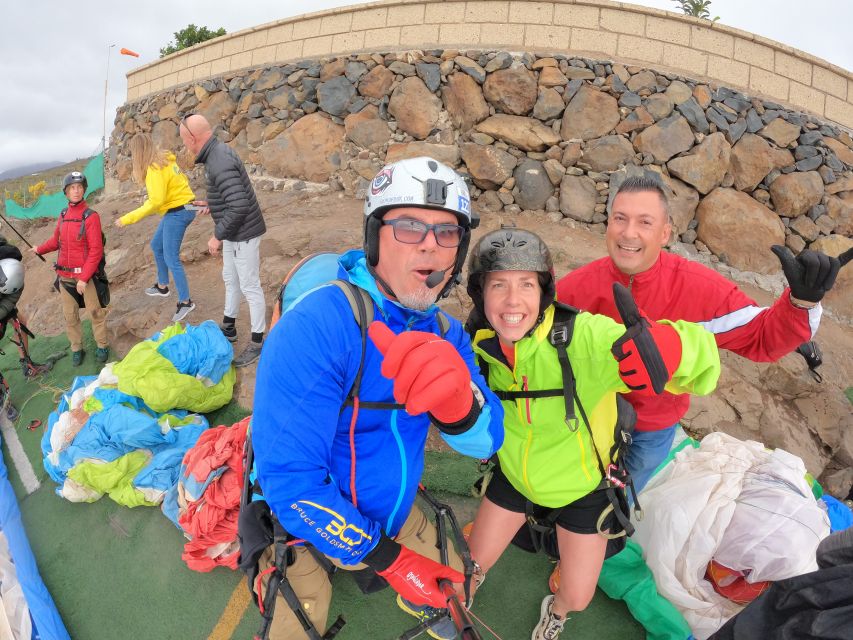
This is where the experience turns into a memory.
Your flight routes can include:
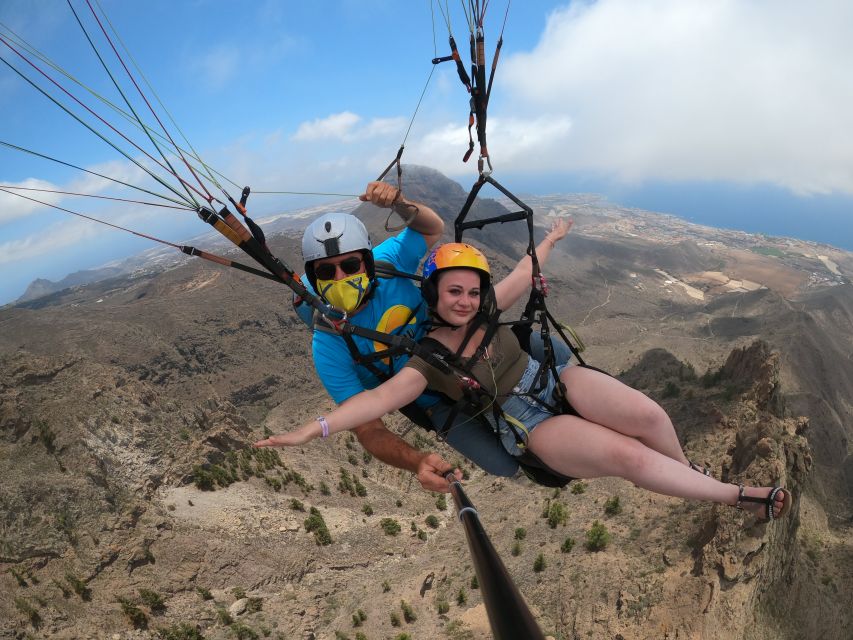
- Flying over ravines (the canyon-and-valley view)
- Flying over the Conde ridge
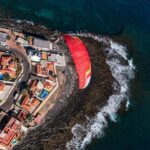
- Ending the experience over the Adeje coast, typically near the coastline and beach landing zone
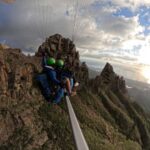
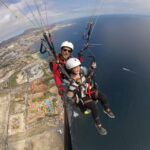
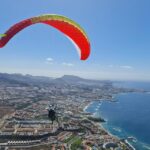
So what does that mean for your eyes? You’ll see Tenerife’s cuts and folds from above—valleys that look dramatic on the map but turn into a real “wow” when you’re floating over them. And then you transition toward the coast, where the hotels, ocean color, and shoreline layout give you that instant sense of scale.
If visibility isn’t perfect
One real-world consideration: sometimes you might face calima, a haze that reduces sharpness of distant views. When that happens, the flight can still be amazing—but you may get a softer, less-crisp look from the air. This is normal weather variation, not a problem with the pilots.
Acrobatic options and beach landing: choosing your thrill level
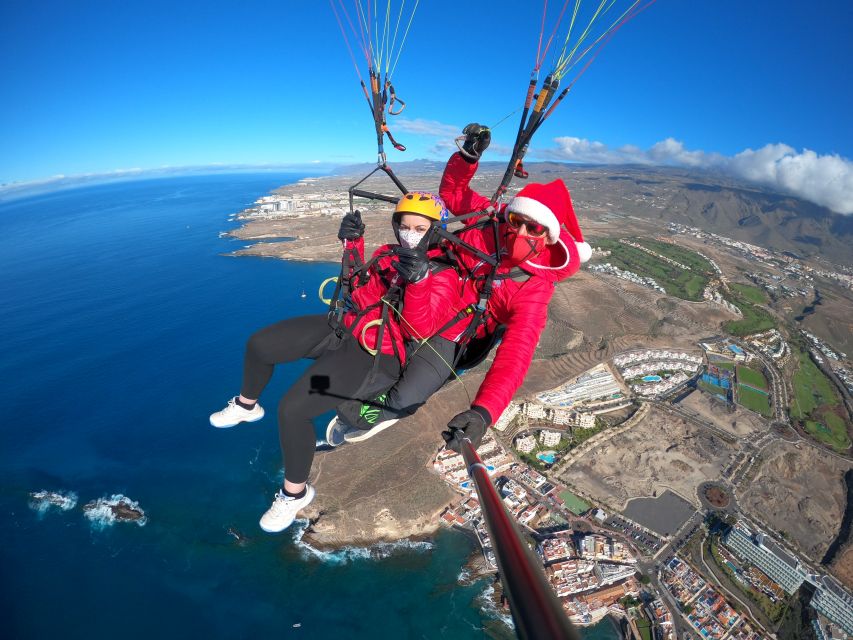
Approaching the beach landing zone, you’ll have a chance to add adrenaline—if you want it. Depending on conditions and your pilot’s plan, you may be able to do acrobatics, or you can try piloting the paraglider.
That “peace or thrill” choice is one of the smartest parts of this experience. If you’re anxious, you can keep it mostly calm. If you came for screams (politely), you can lean into maneuvers.
The landing is part of the story
Landing at the beach is the final payoff. It’s a different feel than landing near a field because you’re coming down into a visible public space, with the ocean right there as a backdrop.
Also, the team manages this as a controlled process, not a free-for-all. The briefing and equipment are there for a reason, and the landing experience is usually smooth when the pilot is experienced—which is exactly what they aim to deliver.
Photos and video: what you get free, and when upgrades matter
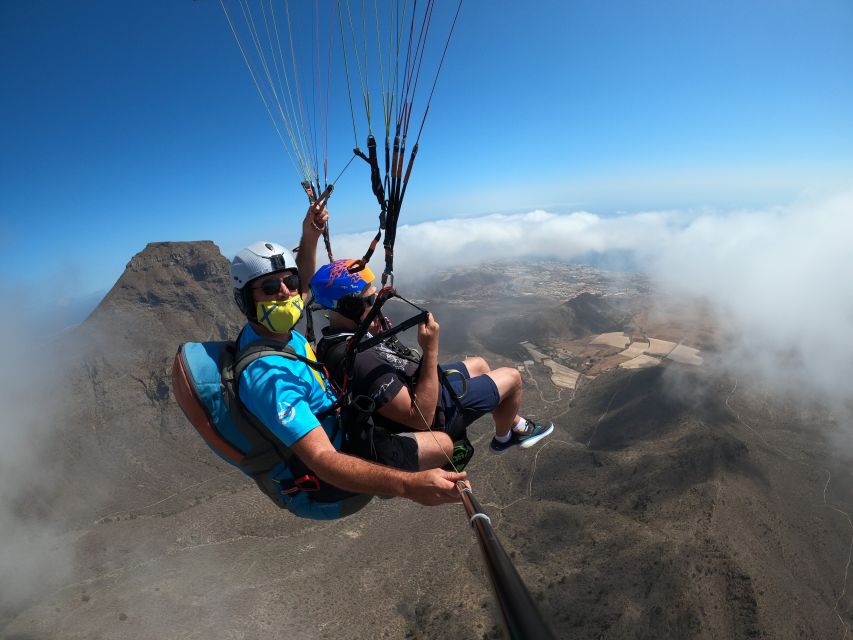
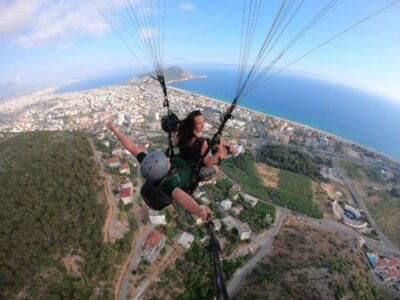
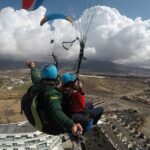
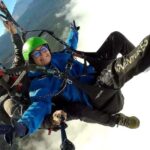
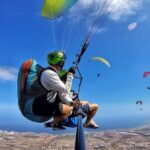
You’ll get 5 free GoPro photos with every flight. For most people, that’s enough to prove you did it and to share a couple favorites.
If you want the full souvenir package, there are upgrades:
- Premium GoPro Memories: over 50 photos and video highlights for €40
- Insta360 VIP Experience: 20 photos + 7 edited 360° video clips for €80 (availability may vary)
Here’s how I’d think about value. If you’re the type who posts, edits, or just wants more than a few shots, the Premium GoPro option is a reasonable way to get more content without trying to time your own filming. If you’re not into photos and your phone is staying in your pocket, you can likely skip upgrades.
The key practical detail: you can request more media and they’ll talk you through what’s possible. Since you’re already paying for the flight, choosing the photo package is about whether you want documentation versus memories only.
Price and value: is $153 a good deal?
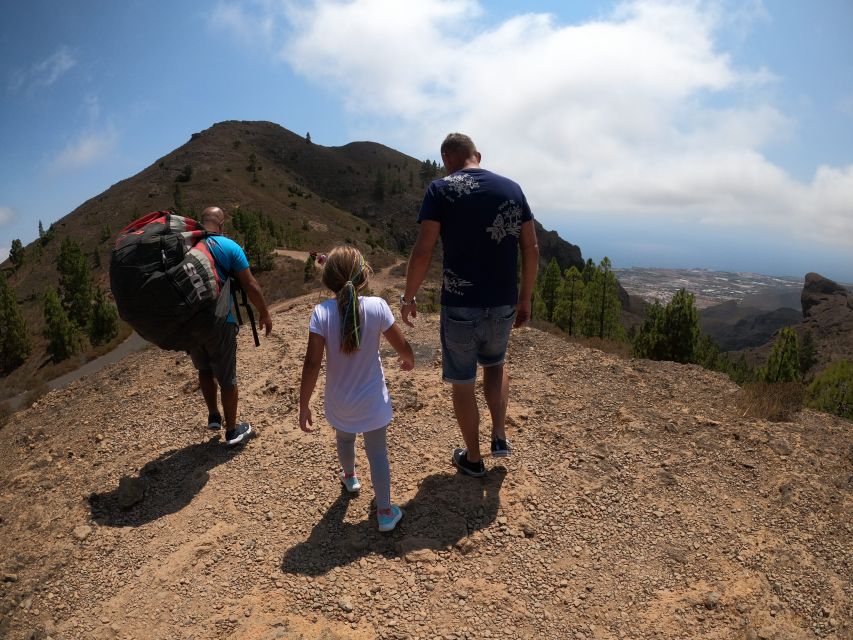
At $153 per person for a tandem flight experience with champion-level pilots, transfers, safety equipment, helmet gear, a water bottle, and photo deliverables, it’s a value proposition aimed at convenience and quality.
You’re paying for:
- A guided tandem flight (not DIY equipment rentals)
- An experienced pilot and structured safety process
- Hotel pickup/drop-off within the service area
- Basic photo capture (GoPro) built in
The main “cost” beyond the base price is purely optional: upgrading the photo/video packages. If you buy extras, your total spend goes up, but you’re getting more complete coverage so you don’t end up with only a couple good moments.
So the value check for you is simple:
- If you want the full experience with minimal hassle, this is priced like a well-run activity day.
- If you’re very price-sensitive and only want one or two quick photos, you might be happy with the included 5 GoPro shots.
Timing, weather, and small-group comfort
This activity runs on specific start times, and the total duration is about 2 hours. The flying portion is shorter, but the full timing is designed to keep you moving and minimize idle waiting.
You should also know about seasonal and weather factors. Tenerife can deliver great conditions, but visibility can change fast. That’s why the flight plan is adjusted based on conditions. In real life, that’s a good sign. A safe operation adapts instead of forcing the same route.
Small-group size (max 4) helps in a few ways:
- You get more attention
- You spend less time herding people around
- The vibe stays friendly instead of chaotic
Who should book this, and who should sit it out
This is suitable for people between 6 and 70 years old (with exceptions below) and up to 110 kg / 243 lbs. It’s not suitable for:
- Children under 6
- Pregnant women
- People over 110 kg
- People over 70
If you fall within the age and weight range, this is a strong choice for first-timers because you’re paired with a pilot and coached step by step. If you want an active experience but you still like structure and safety, it also fits well.
Language and comfort
Pilots speak English, and many also speak Spanish, German, French, Italian, with some instructors covering other languages too. If language has ever made you hesitate on tours, this setup tends to reduce that stress.
Should you book Sky of Tenerife’s champion-guided paraglide?
I’d book it if you want a high-impact Tenerife activity that’s structured, safe, and dramatic—especially if you like the idea of having champion pilots and an experienced team behind your launch. The small group size, the briefing process, and the option for calmer or more thrilling flight make it easier to match your mood.
I would think twice if:
- You only want long time in the air (this is 15–35 minutes)
- You hate paying extra for photos (because you might want more than the included 5)
- You’re outside the age or weight limits
If your goal is one memorable “sky view” moment without messing up your schedule, this is one of the cleaner choices you can make in Adeje.
FAQ
Where does pickup happen for the paragliding experience?
Pickup is included in Costa Adeje, Adeje, Las Americas, and Los Cristianos, with multiple hotel pickup options in the area. The activity also lists specific pickup and drop-off timing details for the Americas and Los Cristianos at 10 and 12 o’clock.
How long is the total experience?
The full experience is listed as about 2 hours, though the actual flight time is shorter.
How long is the flight in the air?
The flight lasts about 15–35 minutes, depending on conditions and the day’s flight plan.
What’s included in the price besides the flight?
Included are hotel pickup and drop-off (in the service areas), a helmet and safety equipment, 5 GoPro photos, and a water bottle.
Can I do acrobatics, or is the flight calm?
You can choose the experience style. As you approach the landing zone at the beach, you’ll have the opportunity to do acrobatics or try piloting the paraglider, depending on conditions and your comfort.
What languages are available during the briefing and flight?
The team is multilingual. Pilots speak English, and many also speak Spanish, German, French, Italian, and Czech (depending on the pilot).
What should I bring?
Bring sportswear and closed-toe shoes.
Are there age and weight limits?
Yes. It’s suitable for most people between 6 and 70 years old, with a weight limit of 110 kg / 243 lbs. It’s not suitable for children under 6, pregnant women, people over 110 kg, or people over 70.
What photo options are available?
You get 5 free GoPro photos included. You can also buy additional packages: Premium GoPro Memories (over 50 photos and video highlights) and an Insta360 VIP Experience (photos plus edited 360° video clips).
If you want, tell me your hotel area (Costa Adeje, Los Cristianos, Las Americas, etc.) and your preferred level of thrill, and I’ll help you figure out what time slot likely fits best.