REVIEW · TENERIFE
Paragliding Tenerife: Flight from Teide to Puerto de la Cruz
Book on GetYourGuide →Operated by G.G.A.parapente · Bookable on GetYourGuide
A cloud flight on Teide is hard to forget. This paragliding route lifts off from Izaña at Spain’s highest point vibe and drops you into the coastal finish of Puerto de la Cruz. I love the big-view payoff for the time you spend there, and I also like how the operation keeps things calm and structured in the air.
Two practical considerations: you’ll want to respect the weight/age limits, and weather can shift the launch site if Teide winds don’t cooperate.
In This Review
- What You’re Really Buying in This Teide-to-Coast Paragliding Flight
- Key Things I’d Prioritize Before You Book
- Entering the Flight: Meeting Point and Getting to the Launch
- How the 3 Hours Typically Works (It’s Not Just Time in the Air)
- Launching from Izaña at 2,200 Meters: Why This Altitude Feels Different
- The Air Time: Views, Cloud Crossings, and That Calm-Confidence Feeling
- Finishing in Puerto de la Cruz: Why the Coastal Landing Matters
- Safety, Pilots, and What the Small Group Changes
- Weight, Age, and Height Rules You Must Read Carefully
- What to Bring (and Why It’s Listed for a Reason)
- Price and Value: Is $176 Worth It?
- Weather-Day Reality: If Teide Isn’t Possible
- Quick Tips to Make Your Flight Smoother
- Should You Book This Teide to Puerto de la Cruz Paragliding Flight?
- FAQ
- Where is the meeting point for the Teide to Puerto de la Cruz flight?
- How long does the paragliding activity take?
- How big is the group?
- What languages are used by the instructor or pilot team?
- What are the weight limits?
- What should I bring with me?
- Is a video included in the price?
What You’re Really Buying in This Teide-to-Coast Paragliding Flight
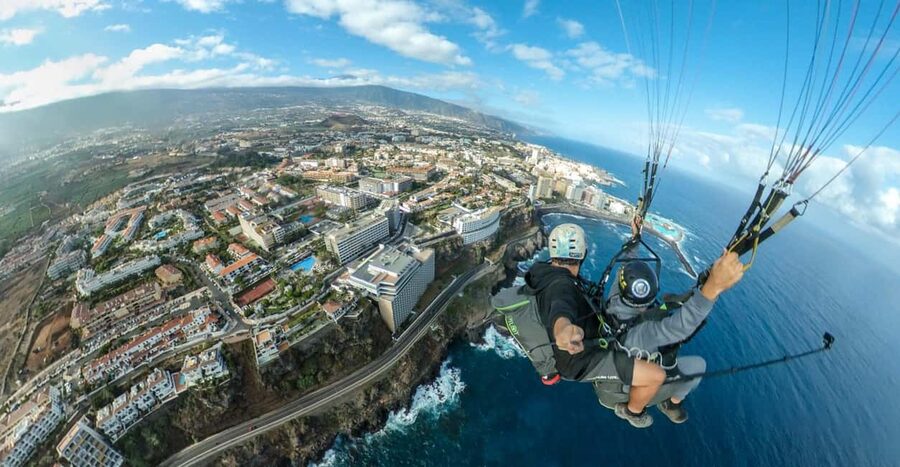
This is a tandem paragliding flight that connects Tenerife’s “high drama” with a breezy shoreline landing. The core idea is simple: you get taken up to launch from Izaña (2200 meters), then you fly down toward Puerto de la Cruz, where the trip ends in a beautiful coastal spot.
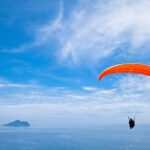
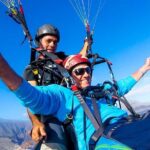
From what you’ll experience, the standout feature isn’t just that it’s paragliding. It’s the “altitude-to-sea” story. Multiple flights in the reviews describe crossing the sea of clouds and even flying straight through them, then finishing by the water. That’s the kind of visual switch you don’t get from most activities on the island—one minute you’re looking down on a soft white layer, the next you’re gliding toward the blue.
The vibe also matters. People repeatedly mention professional pilots who explain what’s happening and make safety feel normal. Names that come up include Gastón and Semí, and the pattern is consistent: clear briefing, steady handling, and a ride that feels fun rather than chaotic.
The one drawback to plan around is environmental. If Teide isn’t possible due to wind or other conditions, the team uses an alternative takeoff site.
Key Things I’d Prioritize Before You Book
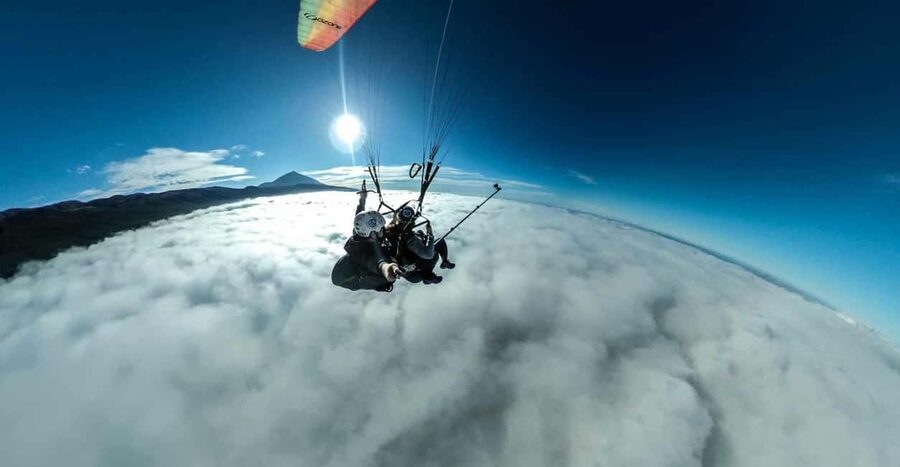
A true “from the clouds to the coast” route is the main draw, with many flights describing mist and cloud crossings.
Small group size (4 max) means more personal attention during setup and briefing.
Transport and equipment are included, so you’re not trying to figure out gear logistics on your own.
Optional video is available at extra cost if you want a recorded souvenir.
Teide might switch to another launch spot if weather doesn’t cooperate, and that still tends to be a great flight.
You can also read our reviews of more tours and experiences in Tenerife.
Entering the Flight: Meeting Point and Getting to the Launch
Your start is the square roundabout with parking. That’s the one detail that matters most on a practical level: show up at the right spot, with enough buffer to meet the team and load into the transport to the take-off area.
Transportation to the take-off location is included, along with all the necessary safety and comfort equipment. That’s a big value point. Paragliding is equipment-heavy, and it’s a relief when you don’t have to chase rentals, straps, or instructions yourself.
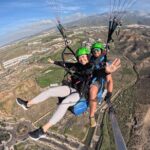
Once you’re at the take-off area, you’ll get guided tandem instruction from an experienced pilot. The key is that this experience is designed for first-timers. The flight is not framed as something you must control. You’re there to enjoy the ride while the pilot handles the technical side.
How the 3 Hours Typically Works (It’s Not Just Time in the Air)
The total duration is listed as 3 hours. For most people, that means you’re not going to be wearing harnesses for the full three hours—but you will spend enough time on the ground for briefing, gear fitting, and waiting for the right flying conditions.
Here’s what that timing usually implies for your day:
- You can treat it as a half-day activity that fits before or after a light meal.
- You shouldn’t book it as your only plan if you’re also trying to squeeze in a long hike at the same time.
- You’ll want your head clear and your stomach settled, since the setup and takeoff are part of the “experience flow.”
In the reviews, the most memorable moments tend to happen during the air time: the view above the clouds and the approach toward the coast. So the schedule is built to make those moments happen smoothly, not rushed.
Launching from Izaña at 2,200 Meters: Why This Altitude Feels Different
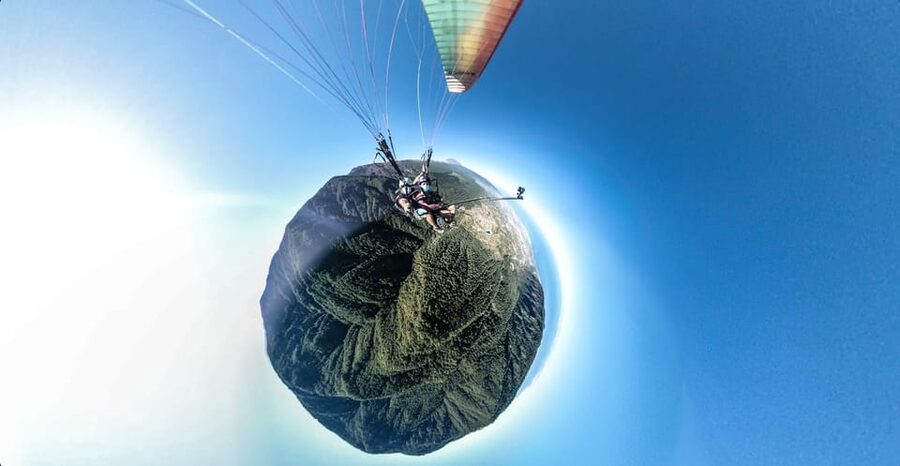
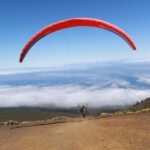
The takeoff point is a defining detail: 2,200 meters at Izaña. That’s the “this is Teide” moment. At that height, you feel separation from the island in a way that’s hard to explain on the ground. The air feels cooler, the horizon looks cleaner, and you often get that signature cloud-layer view.
The activity also highlights the uniqueness of the launch location, describing it as the highest point in Spain and the steepest point in Europe. Whether you’re a geography nerd or not, the practical takeaway is this: you’re getting a dramatic setup for what comes next.
And the “what comes next” is why people rave—several flights describe starting above clouds, gliding through them, and then transitioning to lower views as you move toward Puerto de la Cruz. That’s not just pretty. It changes your sense of speed, depth, and scale.
The Air Time: Views, Cloud Crossings, and That Calm-Confidence Feeling
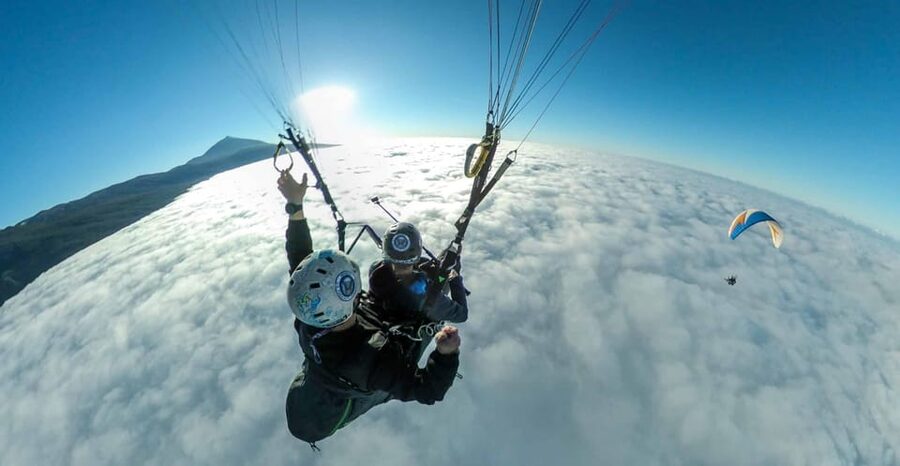
If you’re choosing paragliding Tenerife, you probably want the view. This is the part that most strongly matches what I’d call the emotional payoff.
Many accounts describe:
- Flying above the sea of clouds
- Passing through cloud layers and mist
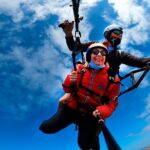
- Occasional playful maneuvers described as little acrobatics
Two specific things I like about how the flight is presented:
- The pilots guide you through the experience so you’re not guessing what to expect.
- Even when the flight includes fun moments like slight acrobatics, the overall tone stays controlled and safe.
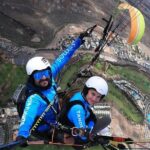
You can also expect the perspective shift that only happens with flight. From the ground, Tenerife can look rugged and steep. In the air, you get a clearer “island shape” view—mountains, coast, and the way the weather behaves over different elevations.
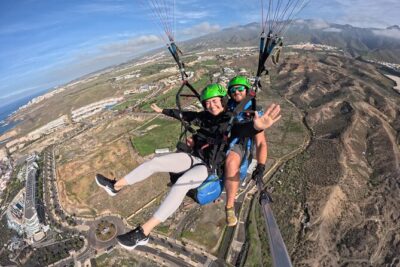
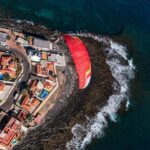
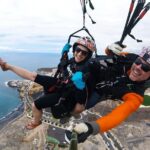
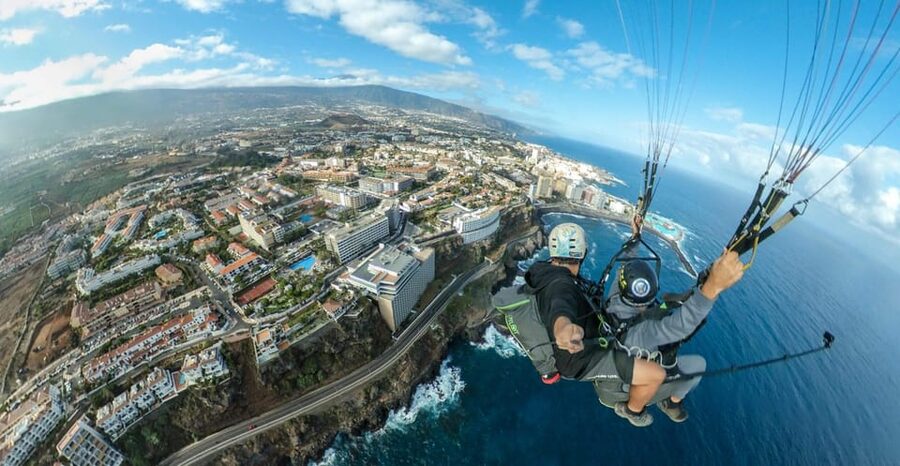
And yes, the beach landing finish is a big part of why people remember it. Several descriptions mention landing by the mar—so it’s not just a stop and done. It’s a poetic end to a strong visual story.
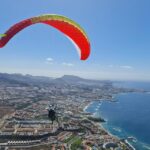
Finishing in Puerto de la Cruz: Why the Coastal Landing Matters
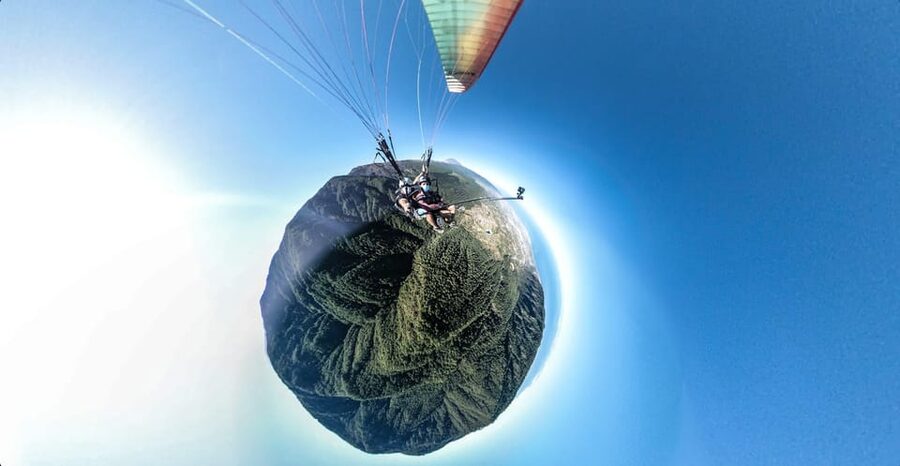
Puerto de la Cruz isn’t just a dot on a map here. It’s the last chapter of the trip’s altitude-to-water narrative.
Landing in Puerto de la Cruz gives you a feeling of “arrival” that inland activities rarely manage. The coastal approach also tends to make the final descent feel gentler and more satisfying, because you can track shoreline and ocean cues as you come in.
From the descriptions, the ending is often on or near a beach area by the sea. That matters for two reasons:
- The visual cue is immediate and satisfying: water meets sky, and suddenly everything feels real.
- The photos and souvenirs (including the optional video) look more like an ending scene than a random touchdown.
Safety, Pilots, and What the Small Group Changes
Safety is handled by experienced pilots, and that shows up repeatedly in the feedback: people say they felt safe at all times and that explanations were clear.
The small-group limit is also more than a marketing line. When a flight is capped at 4 participants, it’s easier for the team to keep communication tight, manage gear effectively, and handle timing if conditions shift.
It’s also helpful for first-timers. When you’re new to paragliding, your nerves will usually attach to uncertainty. Clear pilot guidance reduces that. The names Gastón and Semí come up in the reviews, and both appear in a consistent pattern: calm instruction, attention to how you’re feeling, and a steady pace from start to finish.
Weight, Age, and Height Rules You Must Read Carefully
This is tandem paragliding, so your body specs matter. The rules are specific:
- Weight must be between 20 kg and 100 kg
- If you are over 85 kg, there’s an additional €30
- There’s no stated minimum age, but there’s a maximum age of 70
- Children under 13 are not suitable
- Maximum age limit applies up to 70 years
- For children: minimum height 100 cm, maximum height 200 cm
- Not suitable for people over 220 lbs / 100 kg
If you’re deciding between “I hope I fit” and “I know I fit,” go with the second. These rules can affect whether you fly that day and which setup you get.
Also note: you’ll want to be honest about motion sickness risk and follow the guidance to bring prevention.
What to Bring (and Why It’s Listed for a Reason)
Here’s what you’re asked to bring:
- Sunglasses
- A jacket
- Sports shoes
- Cash
- Motion sickness prevention
That list is practical. Sunglasses help with glare and sun angles at altitude. A jacket matters because temperatures and wind can feel sharper at 2,200 meters. Sports shoes are about traction and comfort during setup and walking.
Cash is included in the “bring” list. The activity notes that a video can be purchased at the end for an additional cost. If you want that video, having cash on hand can prevent a last-minute scramble.
Motion sickness prevention is a big one for many people. Even if you’re not usually prone to it, paragliding adds motion and wind exposure. Better to be proactive.
Price and Value: Is $176 Worth It?
The price is $176 per person for a 3-hour experience, including transportation and all necessary equipment. On Tenerife, that’s not just buying a chair ride. You’re paying for:
- Getting to a high takeoff zone
- Experienced pilots and tandem gear
- Safety systems and briefing time
- A small-group setup
Where the value gets especially strong is the “views per minute” effect. Because flights often cross above clouds and then end near the sea, you get a full visual sequence rather than one static view.
One extra note on value: video recording is not included. You can purchase it afterward. If you’re the type who wants proof and keepsakes, factor that potential add-on into your budget. If you don’t care about the recording, you can keep spending under control.
Weather-Day Reality: If Teide Isn’t Possible
A key operational detail: if takeoff from El Teide isn’t possible due to weather or other reasons, the team uses an alternative takeoff site.
This matters for your expectations. The goal is not “Teide at all costs.” The goal is a safe flight that still delivers the experience. And the alternative can still be excellent.
One review described a day when wind prevented Teide and the team offered a flight from El Tanque instead. The person reported it was amazing and praised the professionalism and safety.
So the practical advice is: treat this as a flight product with a Teide-style highlight. If weather forces a change, don’t see it as a downgrade. See it as the provider doing their job.
Quick Tips to Make Your Flight Smoother
I’d do these things before you show up:
- Bring a jacket even if it feels warm in town. Altitude and wind can flip how you feel.
- Use motion sickness prevention if you’ve ever had issues on boats, windy viewpoints, or roller coasters.
- Wear comfortable sports shoes for harness time on the ground.
- If you want the video, plan your budget and keep cash ready.
And if you’re nervous, you’re not alone. The structure of this activity is designed to reduce uncertainty. The pilots guide you step by step, and people repeatedly mention that the team’s calm vibe keeps them comfortable throughout.
Should You Book This Teide to Puerto de la Cruz Paragliding Flight?
Book it if you want a Tenerife experience that feels cinematic: cloud-level views, a steep-altitude launch from Izaña, and a coastal landing finish in Puerto de la Cruz. The small group size, included transport, and included equipment make it a straightforward day of adventure without extra homework.
Skip it (or consider another plan) if you don’t fit within the published weight/age/height limits, if you strongly dislike wind exposure, or if you’re uncomfortable with the possibility of a launch-site swap when conditions change.
If you fit the requirements and you’re chasing that sea-of-clouds moment, this is a solid use of time—and likely the kind of memory you’ll still talk about long after the photos fade.
FAQ
Where is the meeting point for the Teide to Puerto de la Cruz flight?
The meeting point is at a square roundabout with parking.
How long does the paragliding activity take?
The total duration is 3 hours.
How big is the group?
It’s limited to a small group of 4 participants.
What languages are used by the instructor or pilot team?
The activity is run in Spanish and English.
What are the weight limits?
Passengers must weigh between 20 kg and 100 kg. If you are over 85 kg, there is an additional €30 charge.
What should I bring with me?
You should bring sunglasses, a jacket, sports shoes, cash, and motion sickness prevention.
Is a video included in the price?
No. A video recorded during the flight is available for purchase at the end of the activity for an additional cost.