REVIEW · CHAMONIX
Chamonix: Tandem Paragliding Flight
Book on GetYourGuide →Operated by Air Sports Chamonix · Bookable on GetYourGuide
Chamonix has a way of making the mountains feel close. This tandem paragliding flight is all about getting you airborne fast, with a professional pilot and jaw-dropping views of the Mont Blanc range from Le Brévent, plus a thrill you can feel in your body. The trade-off: you’ll spend time getting ready at the cable car/takeoff area, and the experience depends on flying conditions, so plan for possible waiting.
What I like most is how the crew keeps things straightforward: a briefing for takeoff and what to expect, then you launch and enjoy a real alpine aerial ride for about 20 minutes. I also like that you’re not left guessing, because the guides (people like Richard, Adrian, Xavier, and Jean Charles show up in pilot rosters) are described as calm and safety-focused, even when winds shift. Your main consideration is cold: bring warm clothing, since winter flights can be spectacular but chilly.
In This Review
- Key things to know before you go
- Entering Chamonix airspace: where you start and what the lift adds
- The pre-flight briefing: how you stay in control without steering
- The jump from Le Brévent: takeoff you can trust, views you can’t
- What you’re likely to see in the sky: Mont Blanc, peaks, and even glacier hints
- How the rest of the day usually feels: timing, group size, and the real pacing
- Gear, comfort, and the rules that keep things simple
- Capturing it: photos, video, and how to think about upgrades
- Safety in real terms: why calm pilots matter in shifting wind
- Price and value: $187 and what you’re really getting
- Who should book this Chamonix tandem flight?
- Should you book Chamonix tandem paragliding from Le Brévent?
Key things to know before you go
- Mont Blanc views from Le Brévent: you’ll look out across Chamonix’s alpine setting as you fly.
- A real tandem setup: you ride with a professional instructor and use full paragliding safety equipment.
- Flight time is short but intentional: about 20 minutes in the air, within a 1 to 90 minute overall experience.
- Altitude change is big: about 1,100 meters of height difference from takeoff to landing.
- Wind can change: pilots manage conditions during the flight, sometimes with adjustments to where you fly.
- Cable car ticket is extra: the lift to the takeoff site costs about €17 if you don’t already have access.
Entering Chamonix airspace: where you start and what the lift adds
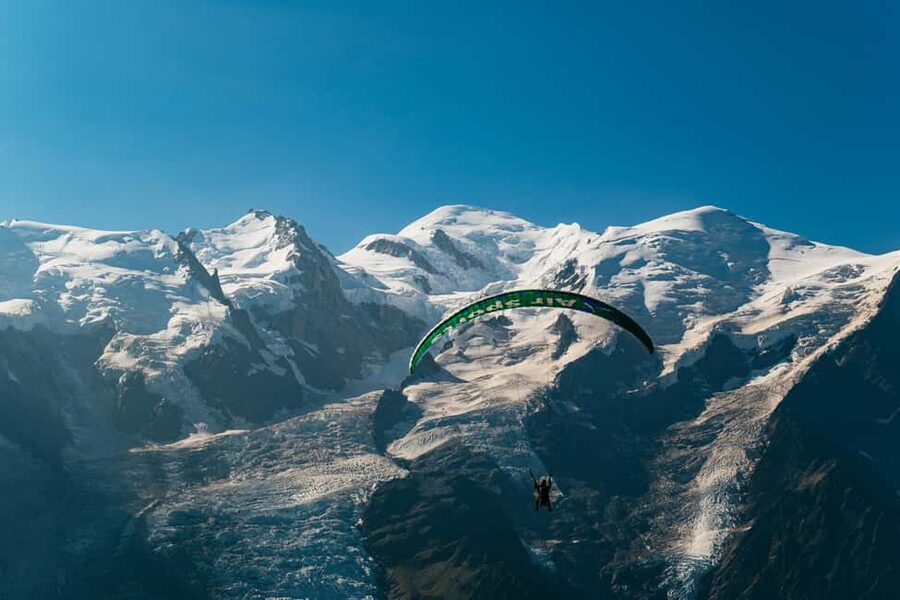
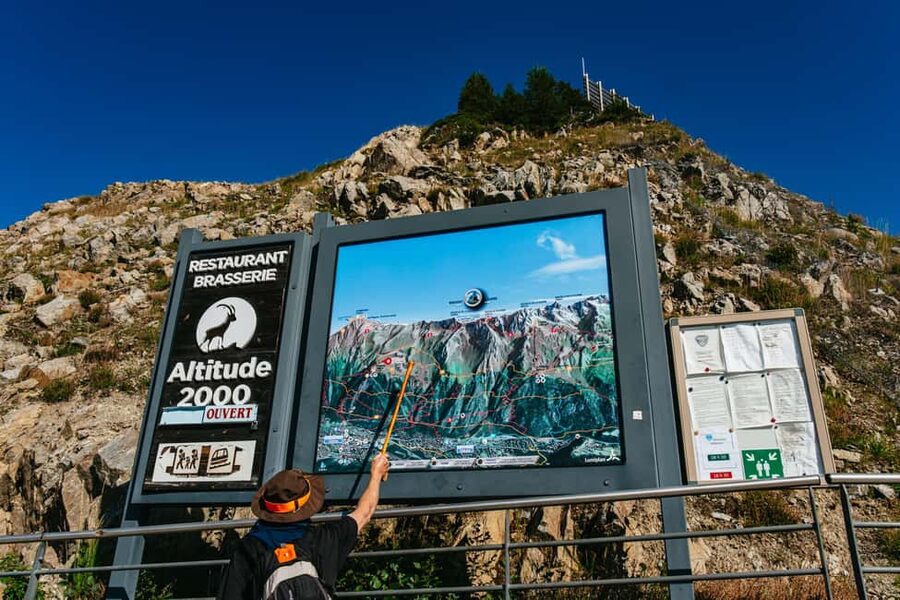
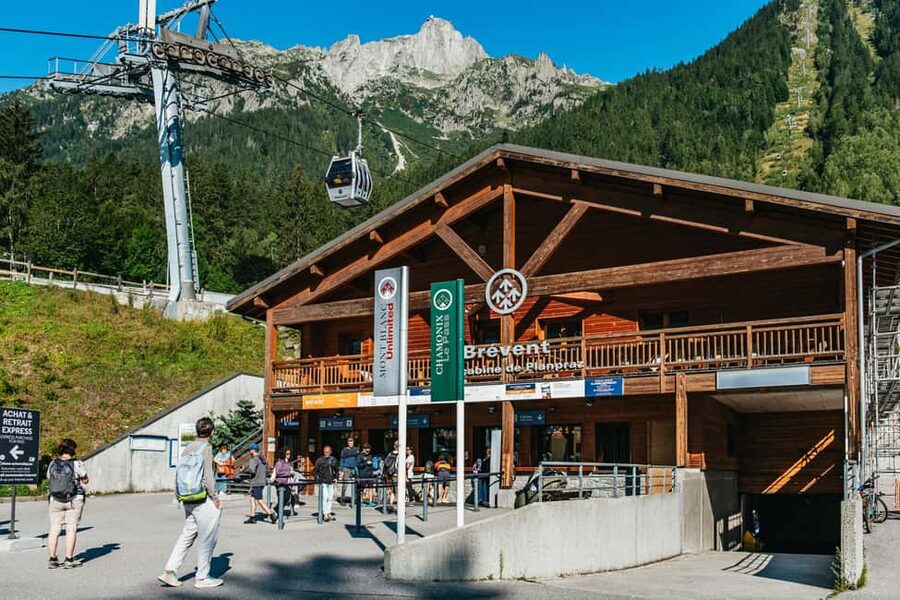
This tandem flight is built around the Chamonix skyline, with your most common launch zone tied to Le Brévent. Depending on what you book, you start from either the Brevent Cable Car area (with a listed meeting location near 100 Pl. de l’Aiguille du Midi) or another pickup option, and the meeting point can vary.
Here’s the practical reality: even though your time in the air is about 20 minutes, the overall experience can run up to 90 minutes because you’ll get kitted out, briefed, and taken to the right takeoff moment. You’re paying for a complete, guided process—gear, instructor, insurance, and the actual flight—not just the launch.
One important cost detail: the mechanical lift (the cable car) to the takeoff site is not included. It’s about €17 per person if you don’t already have a ticket. If you’re arriving in Chamonix already planning to ride cable cars anyway, this may feel like a normal add-on; if not, it’s worth budgeting so you don’t get surprised on the day.
You can also read our reviews of more tours and experiences in Chamonix.
The pre-flight briefing: how you stay in control without steering
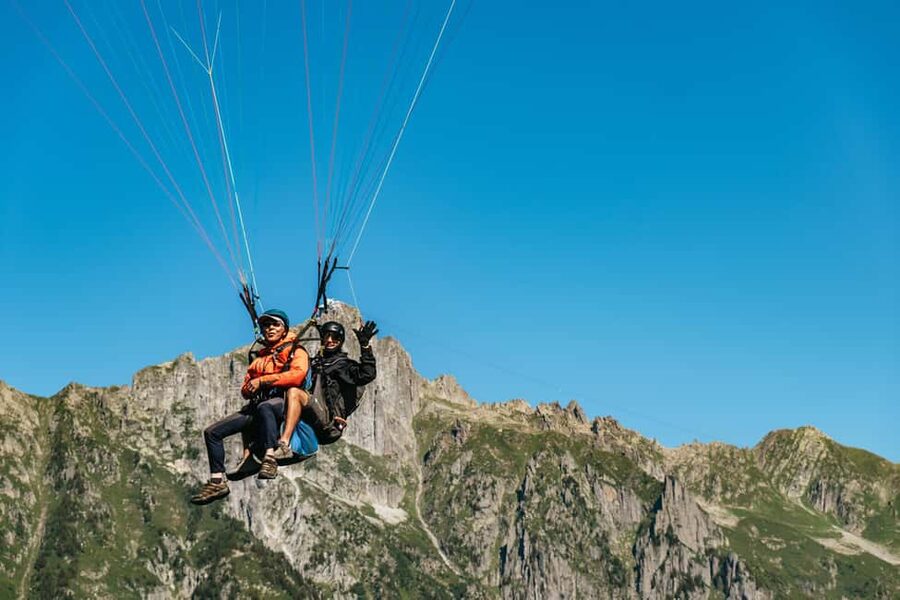
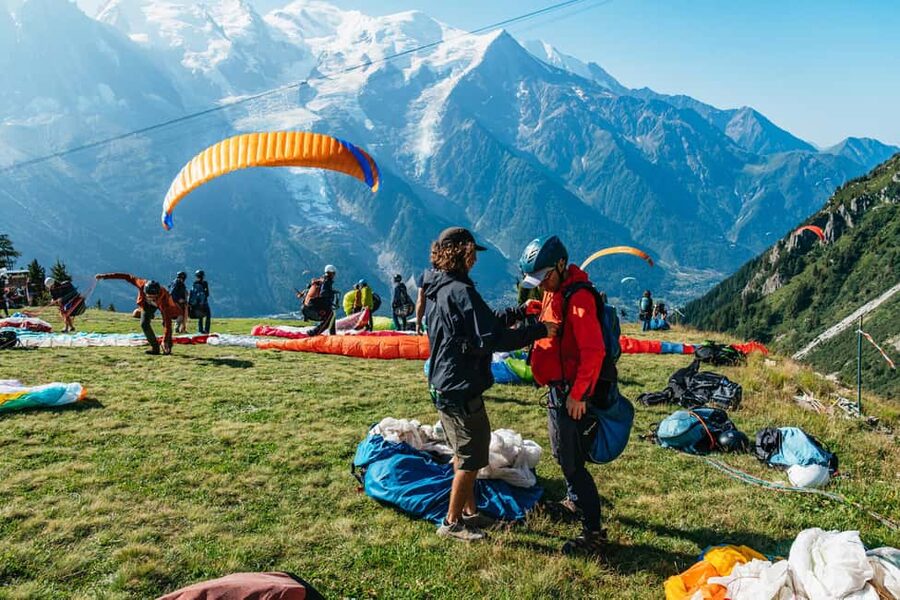
Before you run toward the takeoff point, you’ll meet your instructor/pilot in Chamonix and go through a pre-flight briefing. The goal is simple: explain what’s expected of you during takeoff and how the flight will feel, so you aren’t guessing while your heart is doing its own pre-launch workout.
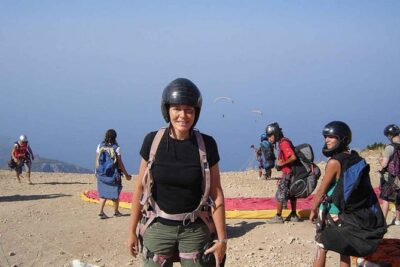
You’ll be fitted with paragliding and safety gear—sails, harnesses, and helmets—so you’re not handling complex equipment yourself. The pilot drives the big decisions; your job is to listen, follow instructions, and stay warm and comfortable in your harness.
A pattern you’ll feel from the way the pilots are described in real-world flights: they communicate clearly and keep people calm. Names that come up repeatedly include Richard and Sebastian, plus pilots like David and Adrian. If you’re nervous, that matters. A calm pilot can turn adrenaline into excitement instead of worry.
The jump from Le Brévent: takeoff you can trust, views you can’t
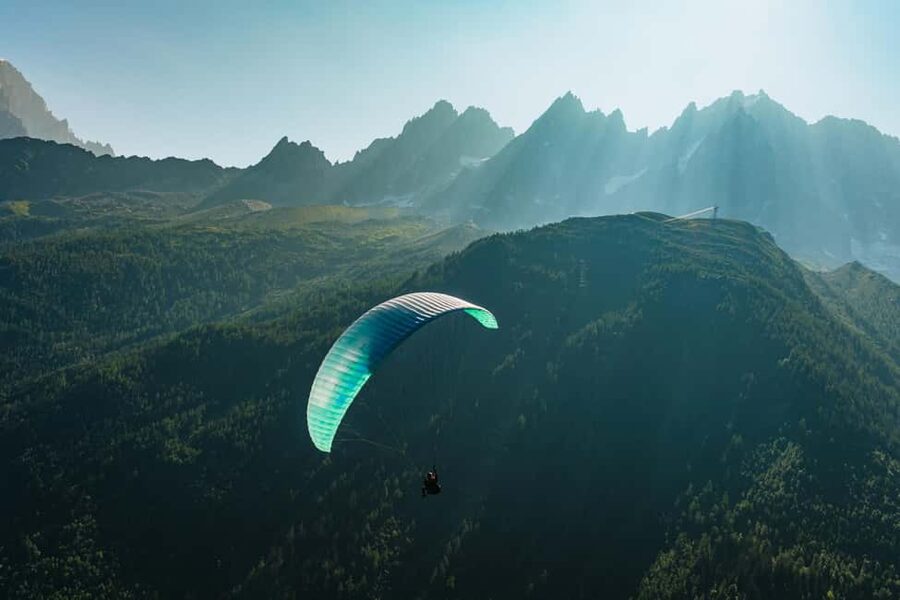
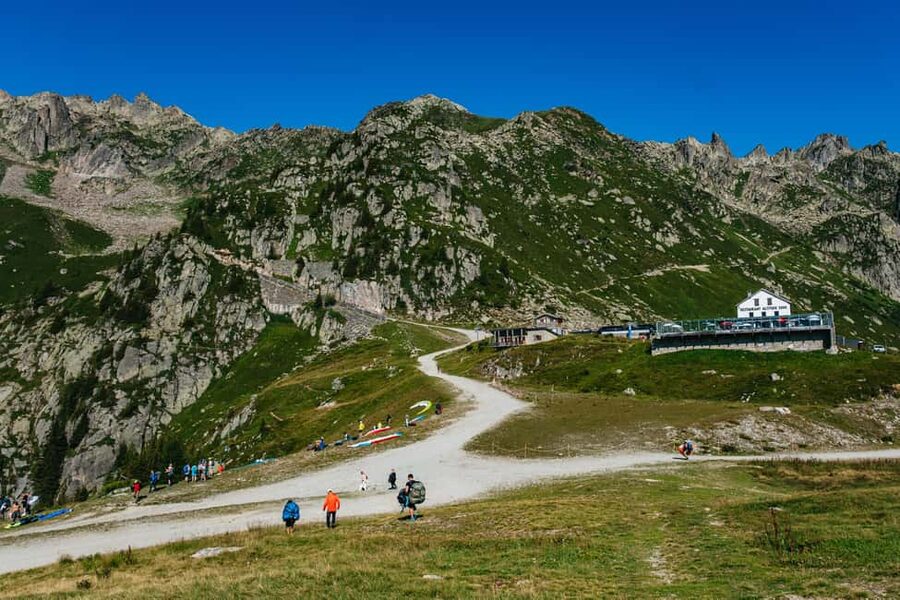
Once you’re suited up, you’ll head to the aerial launch area. Then comes the moment most people remember: the run/setoff from the takeoff site and the transition from mountain air to floating. It’s thrilling, but the setup is designed to keep you stable from the start.
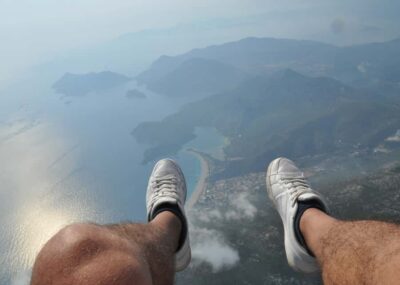
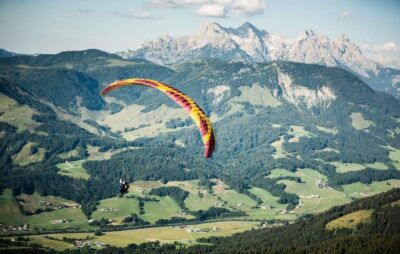
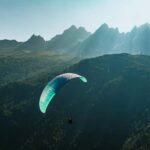
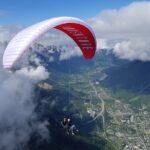
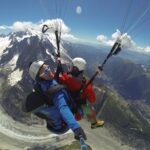
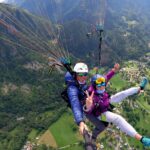
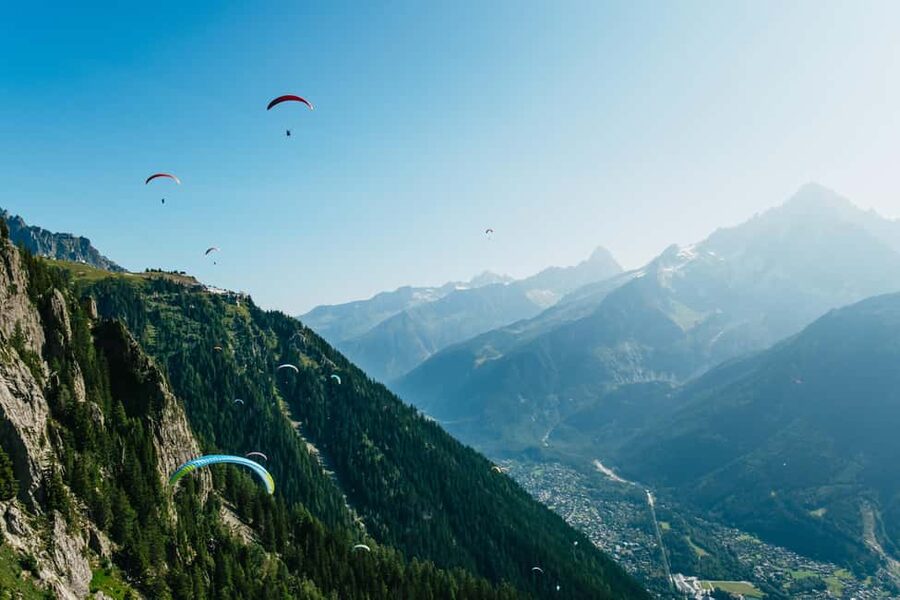
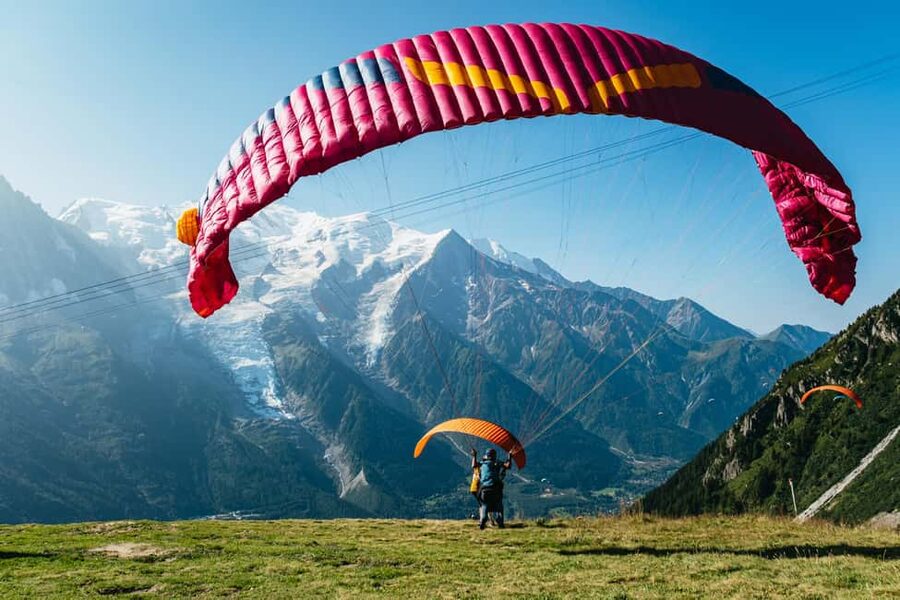
You’ll fly through the air for about 20 minutes. During that time, you’ll look out over Chamonix and the Mont Blanc range, with Le Brévent featuring prominently in the views from above. Depending on weather and wind direction, your exact line in the sky can shift, but you’re still getting that classic alpine perspective: steep slopes, rolling countryside below, and the sensation of being suspended over it all.
One detail I think is worth highlighting: in this region, conditions can be variable, and the team may wait for the most favorable moment to fly. That’s not a failure—it’s how you get a smooth experience rather than a rushed one. Even if wind picks up toward the end, a skilled pilot will adapt in the air, keeping you safe while still giving you the fun parts.
What you’re likely to see in the sky: Mont Blanc, peaks, and even glacier hints
This flight is about scenery, and Chamonix delivers. As you glide, you’re looking at the Mont Blanc massif from above—one of Europe’s most dramatic mountain backdrops—and you’ll likely track over the Chamonix valley and surrounding peaks.
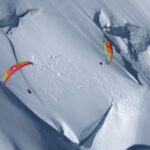
The highlight list also points toward glacier and soaring mountain views. In practice, the area around Chamonix includes glaciers you might catch glimpses of from the sky. One example that stood out in the real experiences shared: flying over the bottom of the Bossons glacier. Even if your route isn’t identical, the promise is the same—big ice and big peaks are on the menu.
You’ll also notice something subtle: paragliding isn’t like being shot out of a plane. The glide lets you take in the geometry of the mountains—ridges, valleys, and the way villages and forests shrink below you. That’s why a 20-minute airtime window still feels like more. You’re not just moving; you’re looking.
How the rest of the day usually feels: timing, group size, and the real pacing
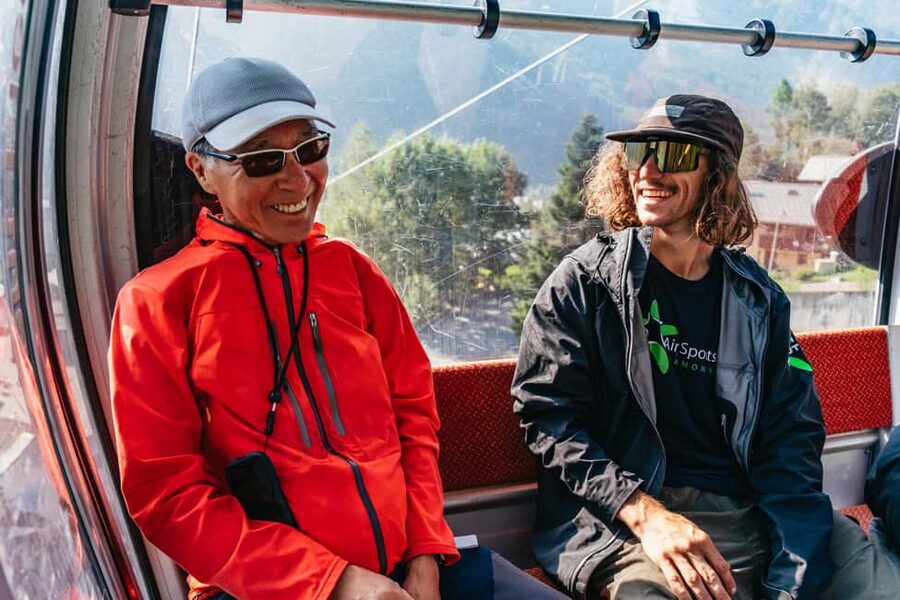
This experience runs about 1 to 90 minutes in total, and the longer window is there for prep and timing with the lift and takeoff conditions. In June, July, and August, the morning is best. The rest of the year, afternoons tend to work better.
That matters if you’re planning a full Chamonix day. Morning in high season often means smoother scheduling with other activities, but afternoons can also be great outside summer. If you’re juggling cable cars, viewpoints, and dinner reservations, keep some buffer time so you don’t feel rushed.
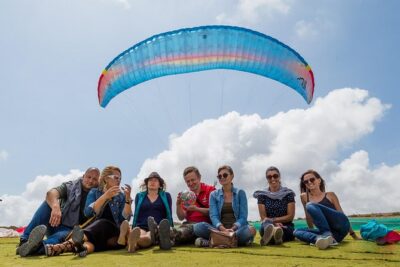
Group size is listed as private or small groups. That’s a genuine comfort factor. With fewer people, the pilot and instructor can focus on briefing, equipment fit, and pacing you to the takeoff window without turning the day into a conveyor belt.
Gear, comfort, and the rules that keep things simple
You don’t need paragliding experience. You do need to dress for alpine weather. The activity info is clear: bring warm clothing. That’s not just a tip for winter flights; it’s good sense in any mountain environment because you’ll be exposed in the air.
There are also clear limits:
- Not suitable for pregnant women
- Not for people over 220 lbs (100 kg)
- Not for people over 80 years
- Oversize luggage isn’t allowed, and you also shouldn’t bring large bags
Also, keep in mind that takeoff and landing are part of the experience. You’ll be in harnesses with equipment, and while the landing is described as gentle, you should still treat it like an outdoor activity with cold and uneven terrain around the launch and ground area.
Capturing it: photos, video, and how to think about upgrades
Some pilots and crews offer optional photos and video services. In the experiences shared, people mention paying extra for video and photos, including one report of €30 for video and pictures. If you’re the type who regrets not documenting once-in-a-lifetime views, this is one of those upgrades that can feel worth it.
Just know what you’re buying: the flight is already guided and thrilling, so the value of photos/video is memory plus shareable proof. If you want more control over what you capture, you might be able to take your own recordings as well, since some flights mention passengers being able to take their own videos during the glide.
If you’re sensitive about cold, also remember that handling devices while harnessed may not be comfortable. Warm gloves can help, but the bigger point is to keep your hands free enough to follow your pilot’s instructions.
Safety in real terms: why calm pilots matter in shifting wind
Tandem paragliding is inherently thrilling, but safety is not an abstract concept here. Your instructor includes paragliding safety equipment (harnesses, helmets, and the canopy setup), and the operation includes insurance.
The most useful safety cue for you is how the pilots handle changing conditions. There are accounts of wind picking up later in the flight, and the pilot managing it expertly. There are also accounts of waiting when conditions aren’t right at first, then launching once the window improves. In mountain aviation, that patience is often what separates a smooth flight from a stressful one.
If you’re nervous, lean into the briefing and let the pilot set the pace. The best flights are the ones where you stop thinking about the mechanics and start looking out at the mountains.
Price and value: $187 and what you’re really getting
At about $187 per person, this is not a budget activity—but it’s also not just a short thrill with no support. The price includes the professional instructor, the paragliding and safety equipment, and insurance. That’s a big part of what you’re paying for: gear, trained oversight, and the cost of operating in a demanding mountain environment.
Then you have the extra variable: the cable car lift ticket to reach the takeoff site is about €17 if you don’t have one already. Add that and the all-in cost becomes more obvious.
So how do you judge the value? Ask yourself this: would you pay to trade time and nerves for a guided bird’s-eye view of Mont Blanc and Chamonix that you can’t recreate from the ground? If yes, the math usually works. If you’re on a super tight schedule and already have lots of cable car time, you may decide whether to bundle with other alpine outings or to prioritize this one once.
Who should book this Chamonix tandem flight?
This experience is a strong fit if:
- You want the Mont Blanc views without technical effort
- You like thrills but still want professional guidance
- You’re traveling with friends or in a small group and want shared excitement
- You’re okay dressing warm and following instructions closely
It’s less of a fit if you’re in any of the listed non-suitable groups (pregnancy, over the weight limit, or over the age limit). And it’s also worth considering that cold-weather paragliding can be fantastic, but your body needs to handle wind chill.
If you’re new to adventure sports, you’ll likely appreciate the clear setup and calm pilots you can see named in the experience record—people like Richard, Adrian, Xavier, David, Sebastian, and others.
Should you book Chamonix tandem paragliding from Le Brévent?
If your goal is to see Mont Blanc and the Chamonix valley from a totally different angle, then yes, I’d book it—especially if you’re comfortable with heights once you’re strapped in. The short, focused flight time (about 20 minutes) is long enough to feel the experience without feeling like a marathon, and the inclusion of instructor, gear, and insurance makes the day feel well covered.
I’d hold off only if you know cold and wind will shut you down, or if your schedule can’t handle a possible wait for the right conditions. If you can be flexible with timing and show up warm, this is the kind of mountain day that turns into a lasting memory fast.