REVIEW · WANAKA
Wanaka: Tandem Paragliding Experience
Book on GetYourGuide →Operated by Skytrek Tandem Hang Gliding & Paragliding · Bookable on GetYourGuide
Floating above Wanaka feels like science fiction.
This tandem paragliding flight is built for big scenery: you launch from the Treble Cone ski access road area in the Matukituki Valley and fly over Mt Aspiring, the Twin Waterfalls, and Lake Wanaka. What I like most is the clear safety briefing and professional setup, paired with views that feel too good to be real. One consideration: the actual flying time is usually 10 to 20 minutes, so if you want hours in the air, this is more of a focused hit than a long session.
You meet the team at the landing field at the start of the Treble Cone road, take a short courtesy shuttle up, then your pilot fits your harness and helmet and talks you through takeoff and landing. You also get a real choice in-flight: you can keep it calm and smooth, or go for the roller-coaster style—plus you can ask for fun turns and more action if that’s your thing.
In This Review
- Key things that make this Wanaka tandem paragliding different
- Treble Cone and Matukituki Valley: why the launch matters
- Getting to the meeting field without stressing yourself out
- From shuttle to harness: what the pre-flight setup feels like
- In the air: choosing smooth or roller-coaster flight
- If you get motion-sick, do this one thing
- The views you come for: Mt Aspiring, the Twin Waterfalls, and Lake Wanaka
- How long it takes: what 1 hour really means
- Price and value: is $208 per person worth it?
- The best value move: decide your photo plan ahead
- Who should book, and who should sit this one out
- Should you book Wanaka tandem paragliding?
- FAQ
- How long is the tandem paragliding experience?
- Where do I meet for the flight?
- Do I drive up the mountain to the launch area?
- Is transport included?
- What if I want a smooth flight versus something more intense?
- Is there an option to get photos or video?
- What are the height/age and weight limits?
- Is the experience offered in English and is it a small group?
Key things that make this Wanaka tandem paragliding different
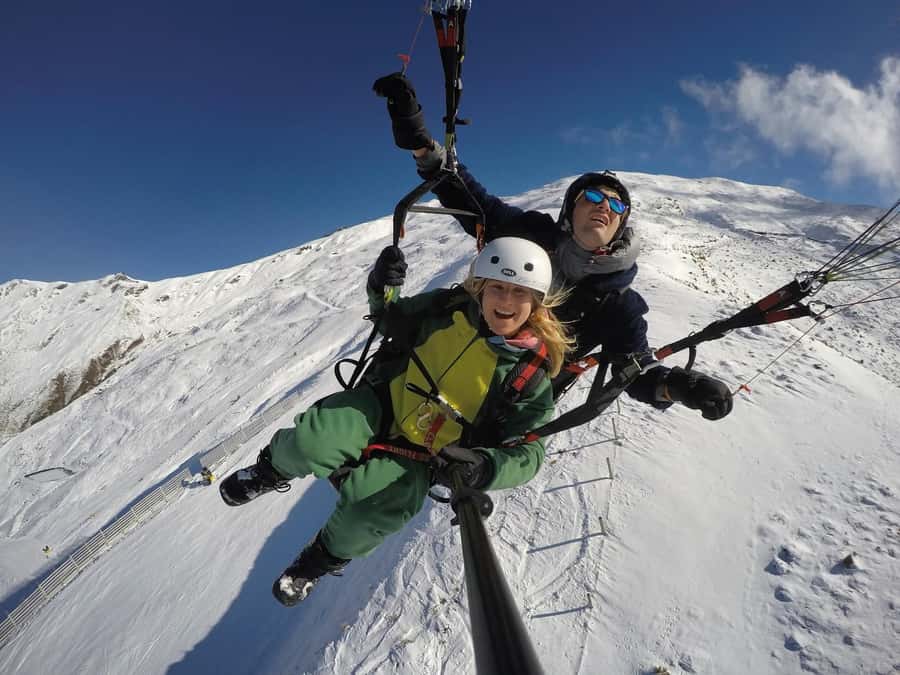
- Treble Cone launch, Matukituki Valley views: the flight path is aimed at maximum mountain and lake drama.
- Twin Waterfalls are a real highlight: you’ll fly right over them rather than just looking from afar.
- Small group, up to 5 people: you get more attention than the big-tour assembly line.
- Smooth glide or roller-coaster option: you control the vibe with your pilot’s guidance.
- Photo/video is optional ($90): you can add it later if you want a keepsake straight to your smartphone.
- Certified pilots and structured safety steps: harness, helmet, briefing, then airtime.
Treble Cone and Matukituki Valley: why the launch matters
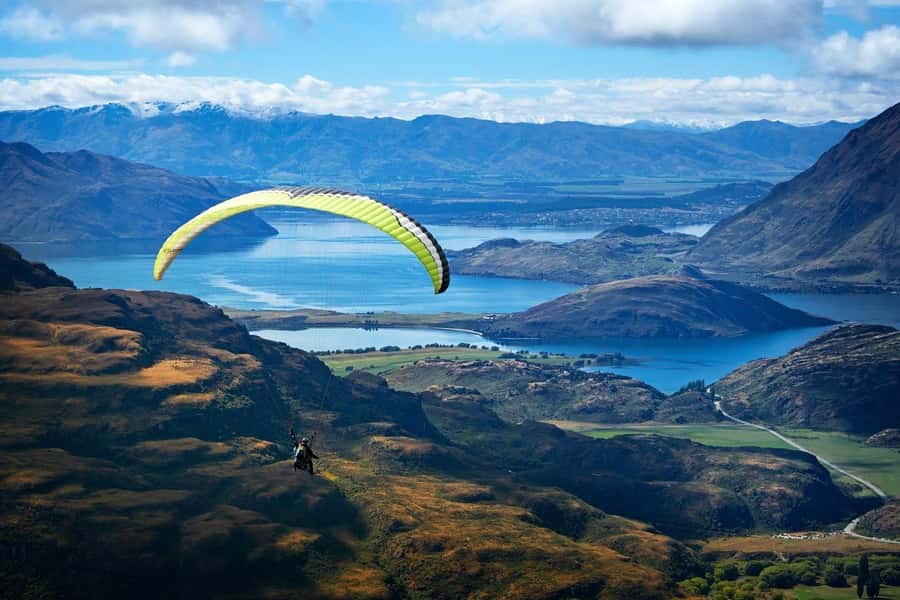
This paragliding experience is all about where you take off. Launching from the Treble Cone ski access road area puts you in the Matukituki Valley zone fast, which matters because the best views come early and the flight has a clear purpose: mountains, lakes, and the Twin Waterfalls.
I like that it’s not a “wait around forever” sort of adventure. You’re guided from meet-up to shuttle to launch location, and the pilot then handles the most technical part—your only real job is to listen, breathe, and enjoy the ride. The small group size (limited to 5) helps too. Less crowding means you’re not rushed through the briefing, and the team can answer your specific questions without shouting over a dozen other harnesses.
One more practical point: paragliding in Wanaka is weather-dependent. On a day with good conditions, the view can feel crystal clear and the air feels smooth. If conditions are more variable, the pilot still keeps the experience safe and tailored, but the exact feel of the flight can change.
Getting to the meeting field without stressing yourself out
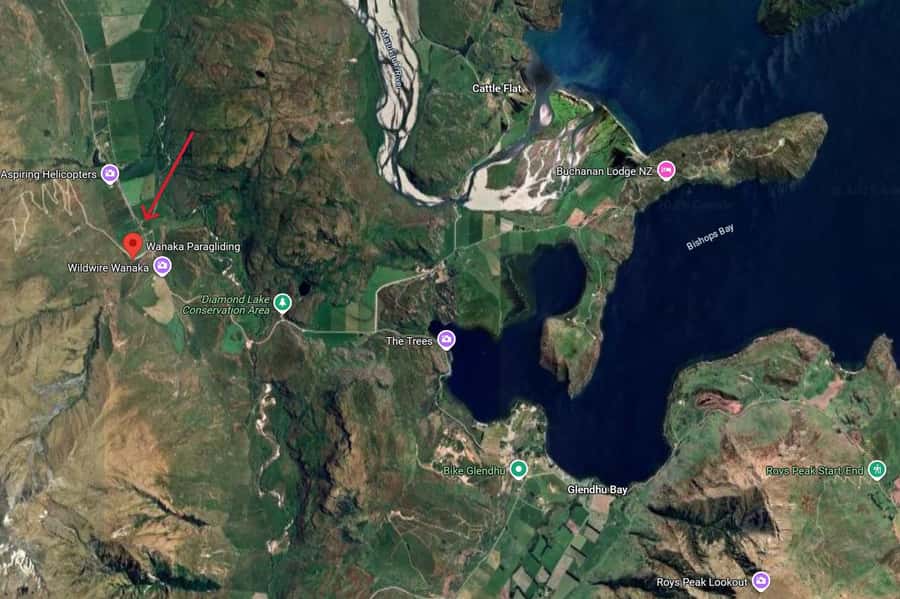
You’ll meet at the landing field near the start of the Treble Cone ski-field road. That detail is important: don’t try to drive up the mountain beyond the designated area. The meeting instruction is simple, and it’s a big help on a scenic road where you could otherwise make a wrong turn and waste time.
Here’s the easiest way to picture it:
- Drive from Wanaka along Mount Aspiring Road toward Treble Cone Ski Area.
- The road is sealed and only about 20 km to the end of the sealed section.
- When you reach the end of the sealed road, turn left and drive under the Treble Cone Gate.
- You should find the operator at the very first corner, about 70 meters after going under the gate.
Look for the setup with white and blue banners and a black star tent. If you use Google Maps and search Wanaka Paragliding, you’ll be directed to the right spot. It’s the kind of thing that sounds basic until you’re standing in the wind, helmet in hand, wondering if you parked in the correct place.
Also note the transport piece: they run a short courtesy shuttle (about 10 minutes) up the mountain to the launch location. Since transport is included, you don’t need to wrestle with timing or parking once you’re on-site.
From shuttle to harness: what the pre-flight setup feels like
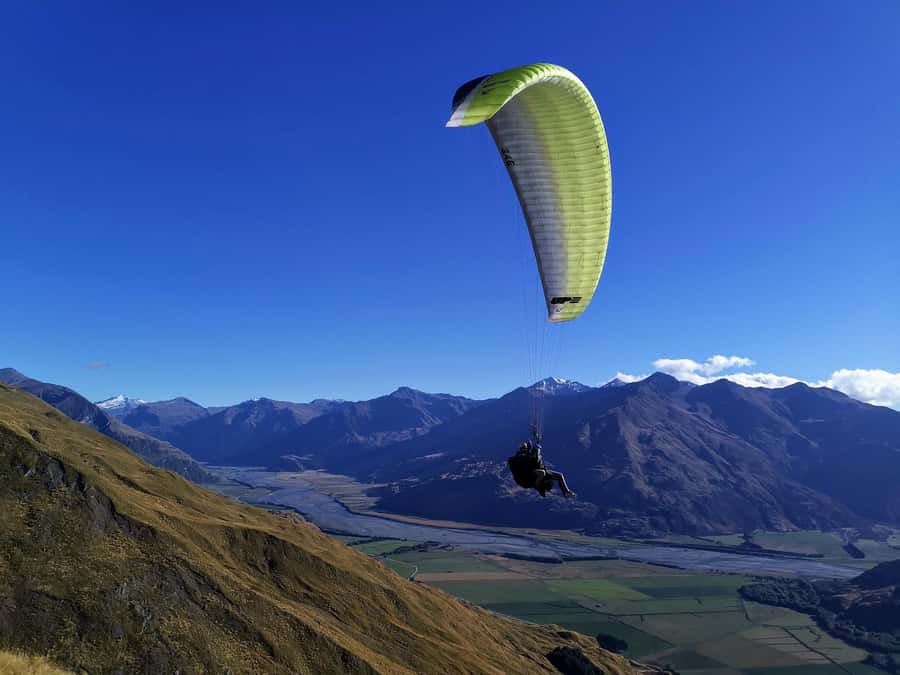
Once you arrive, expect a meet-and-greet and check-in at the landing field. Then comes the practical portion: the pilot will fit your harness and helmet and run through a safety briefing you can actually understand. This is one of those activities where clarity is everything. If you’re nervous, you want calm instructions and a plan you can follow.
The flow looks like this:
1) You meet the team at the landing field.
2) You take the courtesy shuttle up to the launch location at Pub Corner.
3) Your pilot fits your harness and helmet.
4) You get a short, easy-to-follow briefing.
5) You walk a few steps and then you’re airborne.
The harness part is usually the first mental hurdle for people. Based on the way the experience is described, the setup is designed to be comfortable once you’re in the air. And because you’re tandem, the pilot handles the technical flying. You’re the passenger, but you’re still part of the process.
One detail that matters for comfort: the briefing isn’t just warnings. It’s also about landing. A calm landing plan can erase a lot of first-timer nerves, even if you’re the type who hates the idea of being strapped to anything. If you want to feel in control, ask your pilot one direct question before launch: what should you do with your body during takeoff and landing? If you get a straightforward answer, you’ll feel a lot better once you’re moving.
In the air: choosing smooth or roller-coaster flight
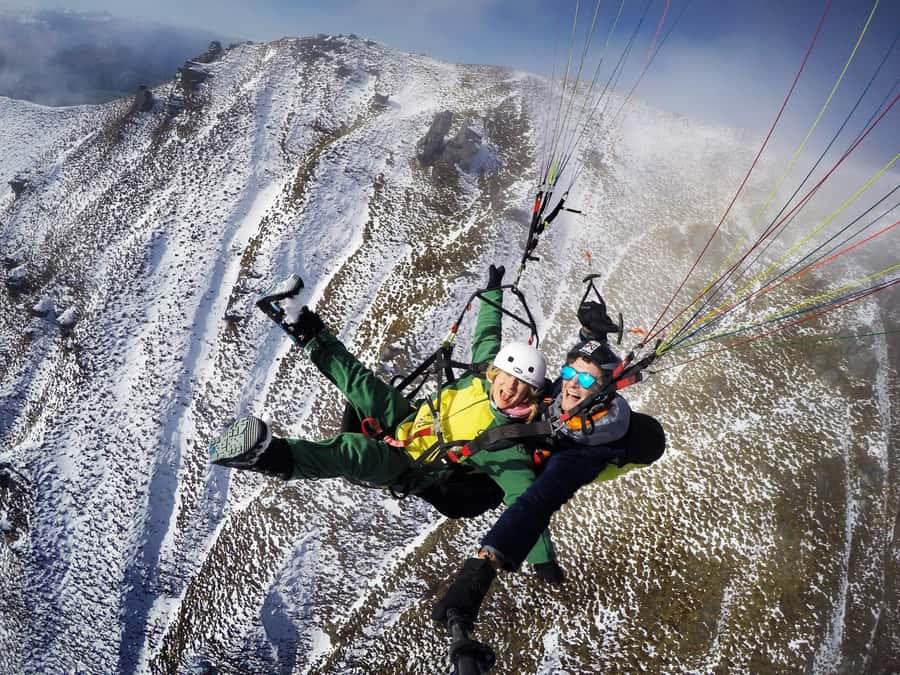
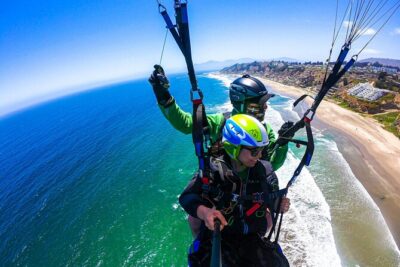
Your pilot asks what vibe you want. This is not just a marketing line. It’s built into how the flight is presented: you can choose a smooth gentle ride or an experience they describe as roller-coaster style.
That choice is huge because it gives you control over how intense the flight feels. If you’re sensitive to motion or you get queasy, you’ll likely prefer the smoother option. If you want the thrill, you can ask for more action.
People have said pilots tailor the flight level, including offering fun additions like turns and more adventurous moves when you want that energy. Some pilots have even gone beyond sightseeing with steering of the chute and acrobatics-style moments, where conditions allow. The key is simple: speak up early. Tell the pilot what you’re comfortable with and what you want to see.
If you get motion-sick, do this one thing
If you are prone to feeling queasy in the air, mention it right at the start of the briefing. Ask for more movement along the valley rather than lingering in one spot for long periods. One person noted that a lot of hovering can make them queasy, so your best defense is clear communication.
The views you come for: Mt Aspiring, the Twin Waterfalls, and Lake Wanaka
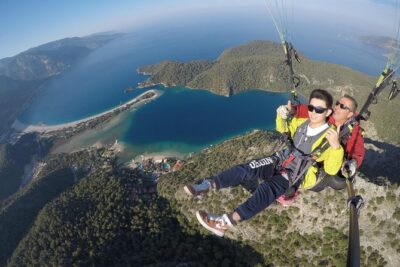
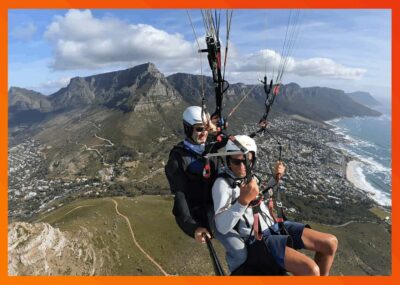
This is the main reason to do it. The flight is designed around signature Wanaka scenery, not random circling.
During your tandem flight, you’ll see:
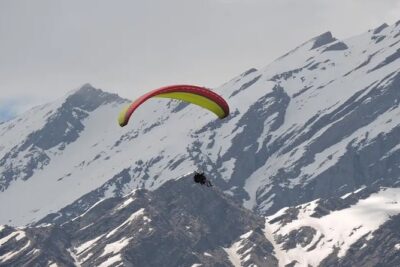
- Mt Aspiring and the surrounding Southern Alps
- The Twin Waterfalls up close from above
- Lake Wanaka and the wider mountain-lake mix
What makes those views special is the way paragliding changes your perspective. From the air, you get depth: the falls look like two threads dropping through the terrain, and the lakes look like sections carved into the valley. You’re not just looking at scenery; you’re tracking it like a map, and you can often see how the terrain shapes the weather patterns.
I also like that the pilot’s plan includes giving you time to take it in, while still offering an optional thrill component. Even if you choose the roller-coaster style, you’re still flying over real landmarks, not just doing maneuvers in empty sky.
If photography is part of your plan, remember that you’ll be wearing a helmet and harness, and you might not have the same freedom as a solo flyer. If you want high-quality images, the optional photo/video package (offered for $90) can be the easiest “set it and forget it” add-on after landing.
How long it takes: what 1 hour really means
The overall duration is listed as 1 hour, but the flight itself is 10 to 20 minutes. That means the rest of the hour is purposeful: check-in, shuttle, gear fitting, briefing, and then the flight.
Here’s how to think about it:
- You’re not just paying for the minutes in the air.
- You’re paying for the whole experience flow, including professional piloting, equipment, safety procedures, and transport to the launch area.
This matters when you’re planning your day in Wanaka. Build in buffer time for weather and the shuttle ride. Even though the experience is well-paced, scenic places run on “weather first” timing.
A small group (max 5 people) also helps time feel smoother. There’s less waiting around for others to get briefed, and your pilot can keep the process moving.
Price and value: is $208 per person worth it?
At $208 per person, this isn’t a budget activity. But it also isn’t priced like a casual amusement ride, because it includes real risk management and certified professional piloting.
What you’re actually getting for the money:
- A tandem paragliding flight (typically 10 to 20 minutes)
- A professional certified pilot
- Transport to the launch area from the meeting point
- Helmet and harness setup as part of the experience
When you break it down that way, it starts to look more like paying for expertise and safety infrastructure, not just the view. The optional photo/video package is extra at $90, and it’s delivered to your smartphone, which is a practical touch if you don’t want to fuss with memory cards or downloads.
The best value move: decide your photo plan ahead
If you’re the type who always regrets not having a good photo, you might want to budget for the $90 package. If you’re fine with your own phone snapshots (keeping in mind the helmet and harness constraints), you can skip it. Either way, you’ll still get the main thing: the flight and the landmarks.
Who should book, and who should sit this one out
This activity has clear limits, and it’s worth taking them seriously because they affect safety and comfort.
You should consider booking if:
- You want a once-in-a-while adventure that’s not technical, not strenuous, and very visual.
- You like the idea of choosing the ride intensity: smooth or more thrilling.
- You’re okay with a short flight window in exchange for a high-impact experience.
You’ll want to think twice if:
- You don’t handle motion well. In that case, ask for a smoother plan and more forward glide along the valley.
- You’re expecting a long airtime session. This is 10 to 20 minutes of flight, within a wider 1-hour experience.
And important safety notes based on the provided info:
- Maximum weight is 110 kg.
- It’s not suitable for children under 4 years.
- It’s also not suitable for people over 264 lbs (120 kg).
Should you book Wanaka tandem paragliding?
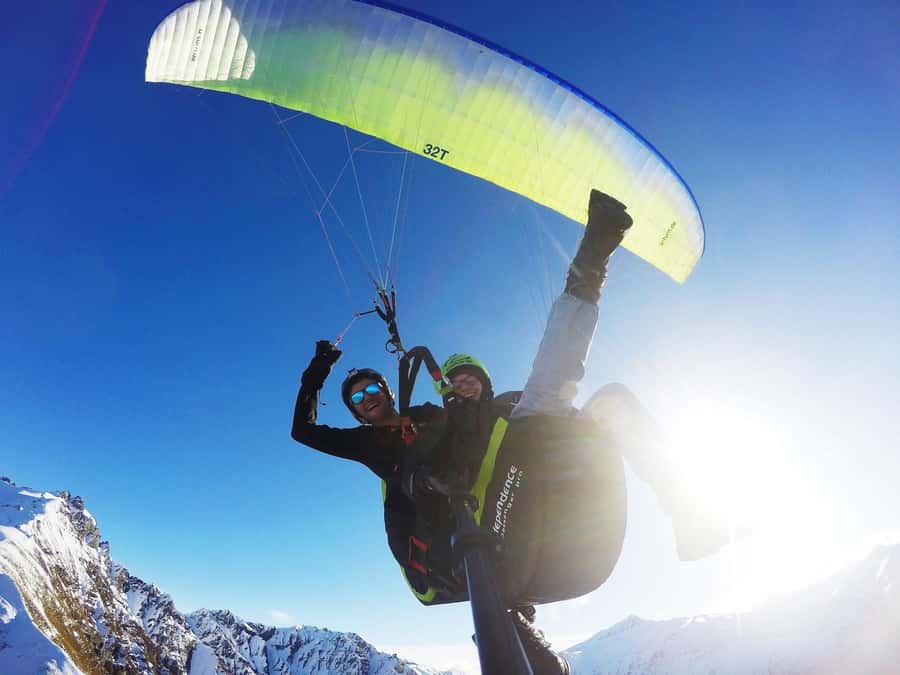
If you want the best “Wow, I did that” moment in Wanaka without training, this is a strong pick. The combination of a small team, a structured briefing, and a flight route aimed at Mt Aspiring, the Twin Waterfalls, and Lake Wanaka makes it feel like money well spent for the kind of view you can’t recreate with a quick hike.
Book it if you communicate your comfort level and you’re happy with a 10 to 20 minute flight. Skip or choose caution if you’re very motion-sensitive or you expect a long, all-day adventure in the air.
If you do book, here’s your simple game plan: arrive early, be clear about whether you want smooth or roller-coaster, and tell your pilot if you’d like more movement around the valley rather than extended hovering. That one conversation can shape how the flight feels the whole way through.
FAQ
How long is the tandem paragliding experience?
The total experience time is listed as 1 hour, including time for check-in, shuttle, gear fitting, and briefing. The tandem flight itself is between 10 and 20 minutes.
Where do I meet for the flight?
Meet at the landing field at the start of the Treble Cone ski-field road. The operator is identified by white and blue banners and a black star tent, and Google Maps for Wanaka Paragliding should guide you there.
Do I drive up the mountain to the launch area?
No. The instructions specify not to drive up the mountain. You meet at the landing field, then take a courtesy shuttle with the team to the launch location.
Is transport included?
Yes. Transport to the launch area from the meeting point is included.
What if I want a smooth flight versus something more intense?
You can choose. Your pilot will ask whether you want a smooth gentle ride or a roller-coaster style experience.
Is there an option to get photos or video?
Yes. An optional photo & video package is available for $90, and the photos/videos are transferred to your smartphone.
What are the height/age and weight limits?
It is not suitable for children under 4 years. The maximum weight is 110 kg, and it’s also not suitable for people over 120 kg.
Is the experience offered in English and is it a small group?
Yes, English is listed. The group is small, limited to 5 participants.