REVIEW · MADRID
Paragliding Tandem Flight from Madrid
Book on GetYourGuide →Operated by Madrid Outdoor Sports · Bookable on GetYourGuide
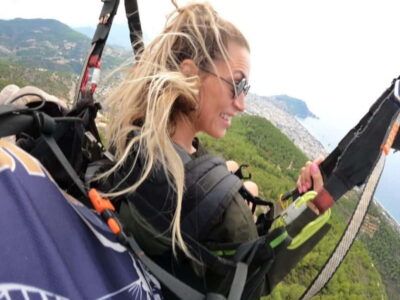
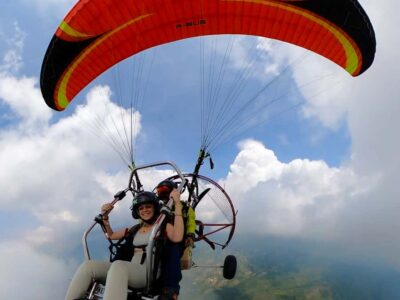
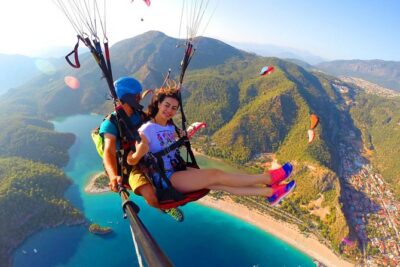
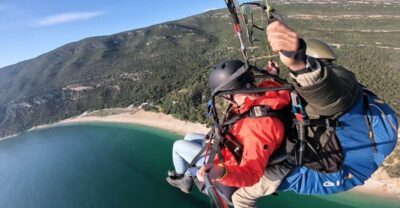
Up in the sky, zero experience required. This tandem paragliding flight from Madrid gives you the rush of flying over Cebreros or the Somosierra mountain pass, with clear guidance from your pilot start to finish. I like that you don’t need prior experience and the takeoff is handled for you.
Second, I like the way the plan adapts. Depending on wind direction, your tandem flight happens in one of two areas, and you still get a solid vertical gain of 600–800 meters once you’re airborne. Plus, you’re not left figuring out cold-weather gear, since flight overalls and gloves are included.
One thing to consider: the experience length in the air depends on wind. Flights are usually 15–25 minutes, but in the worst case with little wind it can drop to about 10–12 minutes.
In This Review
- Key highlights worth booking
- Tandem paragliding that feels safe for first-timers
- Cebreros or Somosierra: how the wind changes your viewpoint
- The meeting point in Madrid and what to do first
- What happens right before takeoff (and how you should think about it)
- Flight time and altitude: what the numbers mean for your comfort
- Getting the most from the moment: the passenger mindset
- Price and what you’re actually paying for (US$330 per person)
- Gear, what to bring, and small things that matter
- Who it suits best (and who should skip it)
- The human part: what makes the flight feel smooth
- Quick practical plan for your day
- Should you book this Madrid tandem paragliding flight?
- FAQ
- Where does the tandem paragliding start in Madrid?
- How long is the experience?
- How much does it cost?
- Do I need any prior experience or training?
- How do takeoffs work for passengers?
- Where will I fly over?
- How high and how long is the flight?
- What should I bring?
- Who can’t do this flight?
Key highlights worth booking
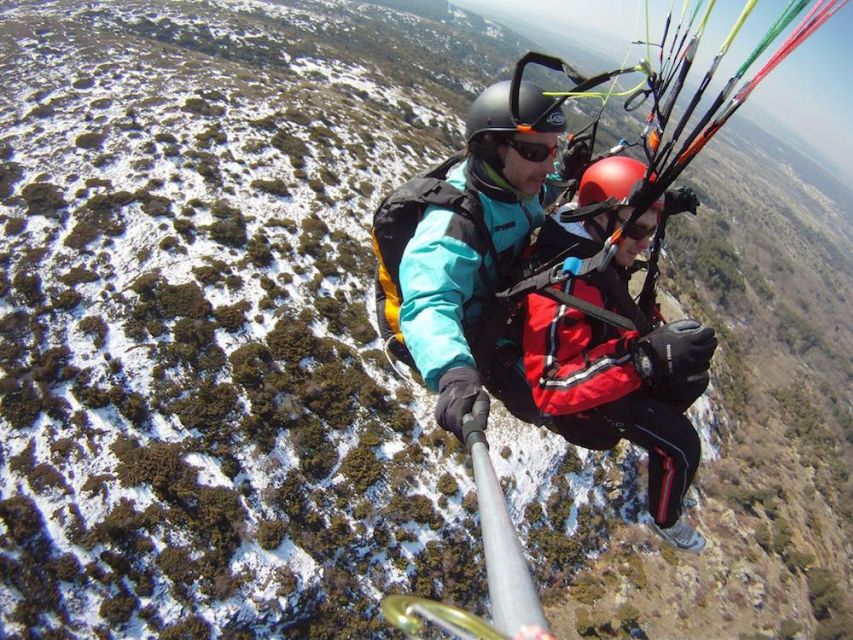
- Two launch options (Cebreros or Somosierra) based on wind direction
- No experience required, with simple takeoff instructions in plain language
- Gear included: flight overalls and gloves to keep you warm
- Clear flight profile: 600–800 vertical meters with wind-timed duration
- A real skills team: instructors Daniel and Daye earned top marks for making it fun and easy
Tandem paragliding that feels safe for first-timers
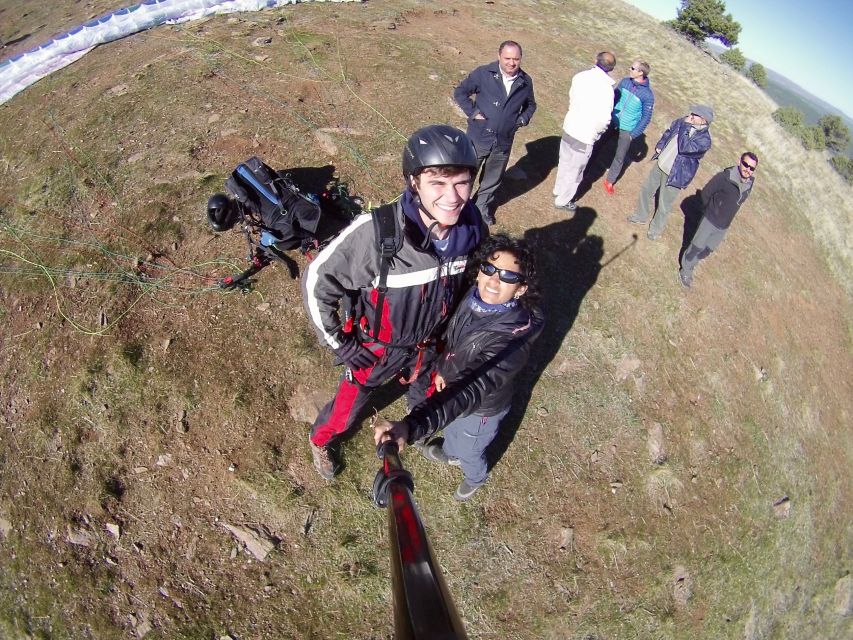
If you’ve ever watched paragliders from the ground and thought, I could never do that, this format changes the math. It’s a tandem flight, meaning you’re attached to a pilot who handles the wing and the flying. Your job is mainly to follow instructions and stay calm while your pilot does the technical work.
The takeoff setup is also designed for beginners. You’ll get the necessary guidance first, and it’s straightforward: the pilot lifts the glider off the ground, and you focus on running forward without sitting or jumping. If wind conditions are light, you may not have to run as much at all. That matters because it turns a scary-looking moment into something closer to a controlled jog, on a grassy slope.
And because the activity is framed for people with no training and no special fitness requirement, it’s a smart “bucket list” pick if you want a thrill without a steep learning curve.
Cebreros or Somosierra: how the wind changes your viewpoint
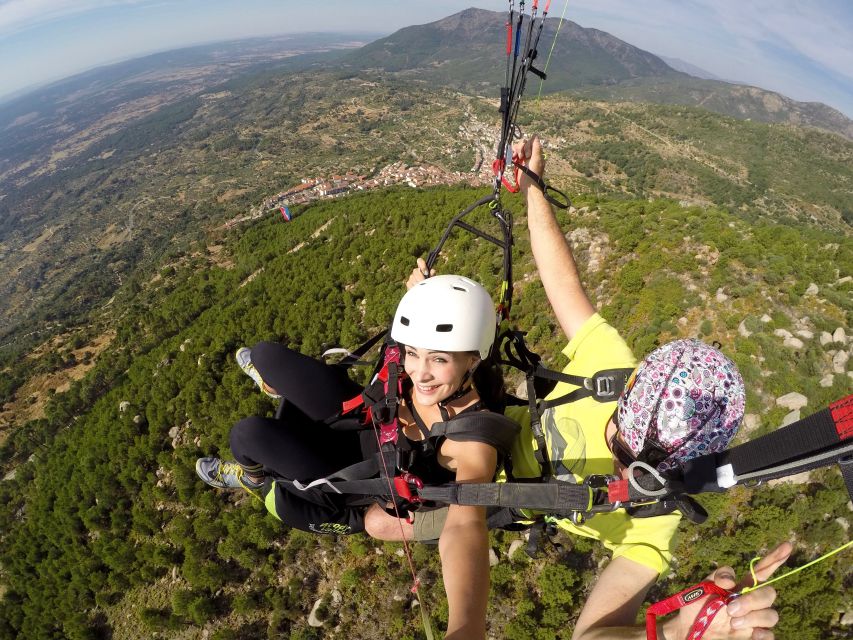
This experience is built around the idea that weather runs the show. Tandem flights typically operate in two different areas depending on wind direction: Cebreros or the mountain pass of Somosierra.
What you should know as a planner: you’re traveling from Madrid to either site, roughly 90–100 km away. The driving time isn’t spelled out here, but the total activity duration is listed as 3 hours, so expect a few hours that include briefing, travel, takeoff, the flight itself, and getting back.
Why the two-area approach is valuable: wind is one of the biggest factors that makes paragliding smooth and comfortable. By shifting locations, the crew can pick conditions that allow for a clean launch and a manageable ride for a tandem passenger. In practical terms, you’re less likely to get an awkward experience because they can choose the right site for that day’s air.
The meeting point in Madrid and what to do first
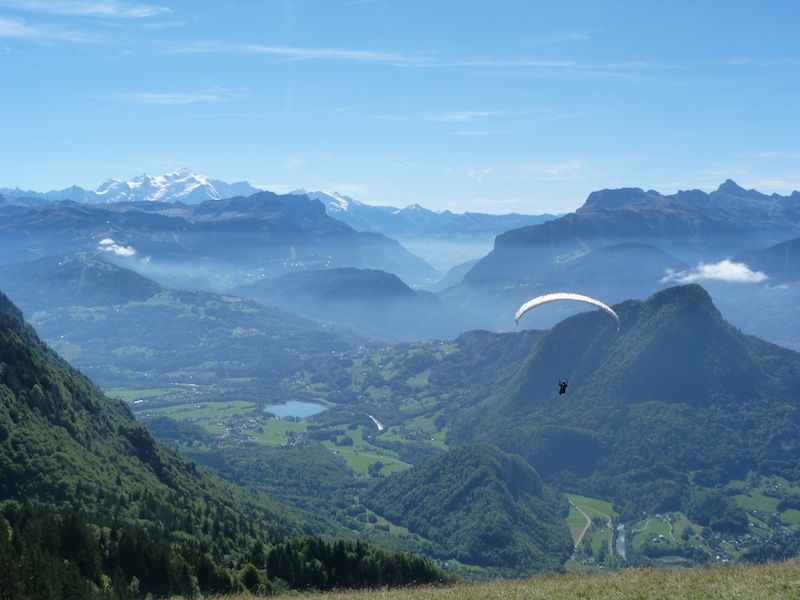
Your starting point is the school at Avenida del Mediterráneo 28, 28007 Madrid. Plan to arrive early enough to check in and get your timing right. Since the full experience is 3 hours, it’s not a “hang around all day” kind of thing.
Once you meet the instructor team, the first priority is briefing. You’ll hear the instructions you need for takeoff and flight basics before you ever step onto the slope. This is where the tandem structure really pays off: you’re not learning to paraglide from scratch. You’re learning how to act as a passenger at the right moment.
One small but useful point from the way the flight is described: takeoffs happen on grassy slopes with no too-steep inclination. That tends to make the run-forward action feel more controlled than it would on uneven ground.
What happens right before takeoff (and how you should think about it)
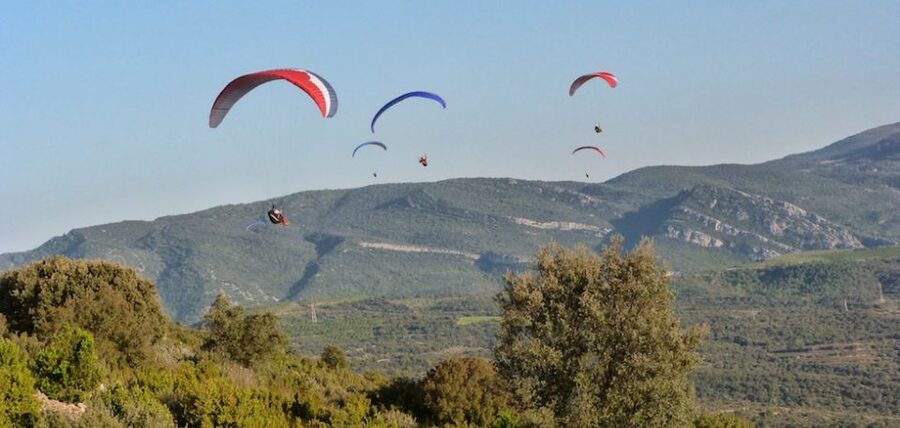
Right before you fly, your pilot will walk you through the simple steps. The key instruction is about body position during the moment of lift-off. You’ll be told to run forward, and to avoid sitting or jumping. In your head, treat it like this: you’re helping the system get moving, then you let the pilot handle the sky.
Also, don’t read too much into the word run. It’s not a sprint. It’s more like momentum. If wind is favorable, you might barely run at all, because the glider can lift more easily.
You should also expect a gear handoff. Flight overalls and gloves are included, with the goal of keeping you warm. That’s a real help in Spain, where mountain air can feel colder once you’re up and moving. Even on a nice day, it’s smart to treat your flight like a cool-air event.
Flight time and altitude: what the numbers mean for your comfort
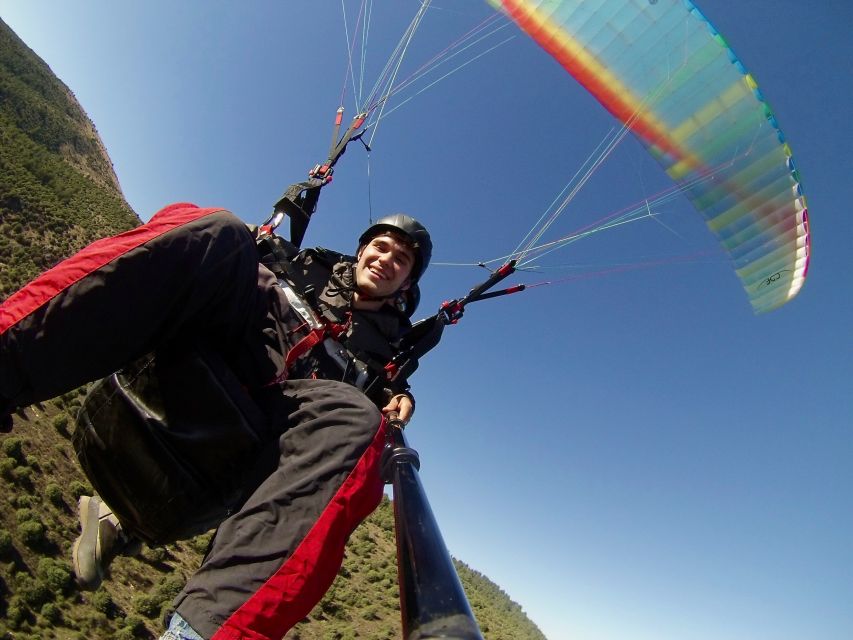
Your tandem flight is described as happening between 600 and 800 vertical meters. That’s the kind of height where you get a true “I’m flying” sensation, not just a quick hop.
The second number that matters is time. Flights typically last 15–25 minutes, and in the worst case, if there’s little or no wind, it can take about 10–12 minutes. This is important because it tells you the ride is not strictly scheduled like a museum visit. Wind conditions decide how long you stay in the air.
So how do you plan around that? Think of it as a short-but-real aerial experience. Even at the shorter end, you still get the full thrill of takeoff plus a meaningful time looking down at the terrain. And at the longer end, you’ll have more room to settle in and enjoy the ride instead of feeling like it’s over before you can relax.
Getting the most from the moment: the passenger mindset
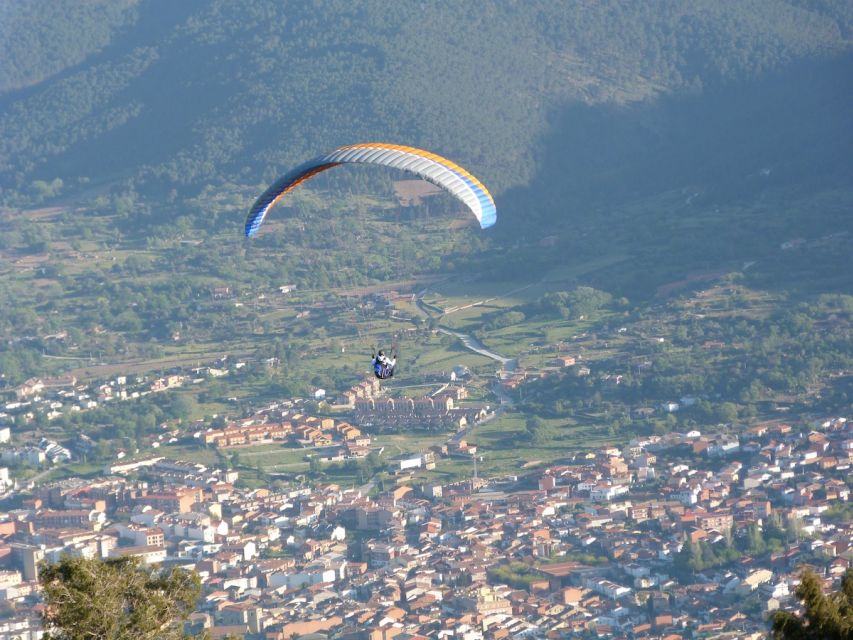
Since you’re a passenger, your success mostly comes from one thing: staying responsive. Listen to the pilot’s instructions, keep your movements simple, and focus on the takeoff cue you’re given.
If you’re the type who overthinks, this is a good activity to do with a light mindset. The crew’s job is to manage the technical part. Your job is to follow the plan without making it complicated.
One more thing: alcohol and drugs are not allowed. That’s standard safety thinking, but it also helps you feel confident that the flight is run as a controlled activity, not a party event.
Price and what you’re actually paying for (US$330 per person)
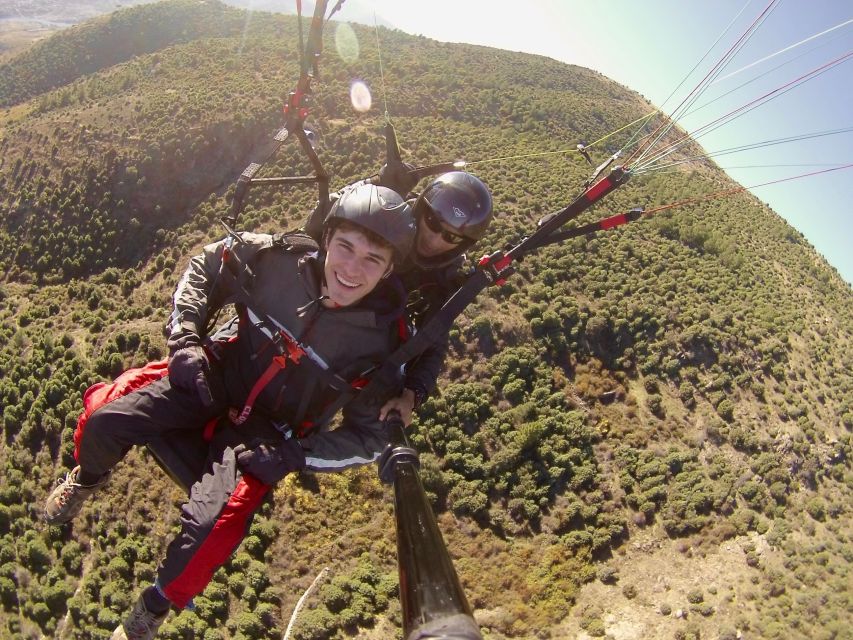
At $330 per person, this isn’t a cheap “try it once” impulse buy. But the price lines up with what you’re getting: tandem instruction, gear, and the logistics of operating near Madrid.
Here’s the value logic I’d use before booking:
- You’re paying for two people’s expertise: pilot plus instructor coordination, especially because you don’t need training.
- You’re paying for equipment (overalls and gloves), which reduces the hassle of planning for cold air.
- You’re paying for day-of flexibility, since the crew can shift between Cebreros and Somosierra depending on wind.
If you compare it to other adventure experiences that require you to learn skills, equipment, and technique upfront, this is unusually direct. You’re not spending days training. You’re spending a few hours getting prepared and then flying in a guided, tandem setup.
Also, the included gear is a practical cost-saver. Cold-weather comfort is a hidden part of why outdoor thrill activities feel good instead of miserable.
Gear, what to bring, and small things that matter
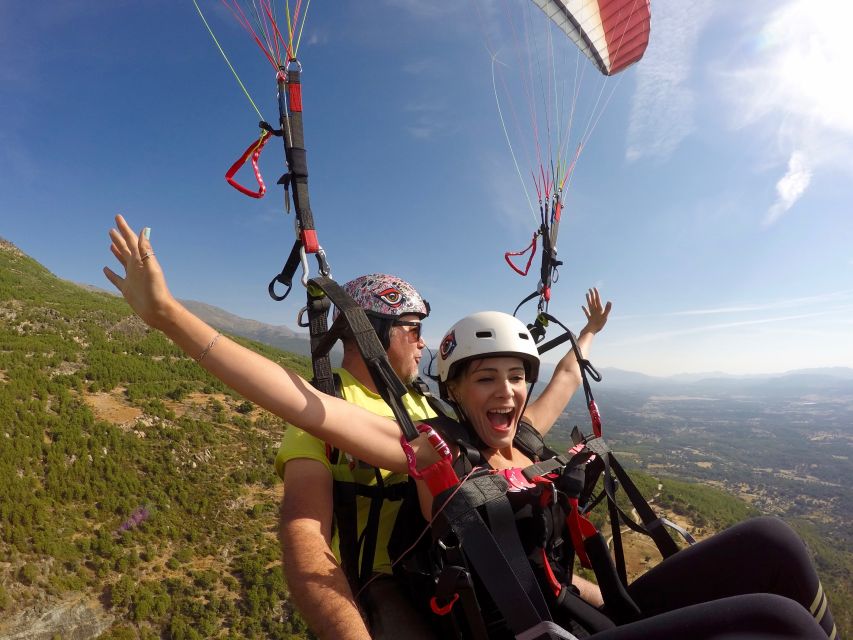
You only have one specific item listed to bring: a windbreaker. That’s actually great advice, because it’s the kind of layer that works for changing temperatures. Even with overalls and gloves included, an extra wind layer helps you handle breezes during waits and transitions.
Beyond that, keep it simple. The activity notes don’t call for special training or a fitness level, which supports the idea that you’re meant to show up and follow instructions.
And because takeoff is on grassy slopes, you’ll want to feel stable in the moment. Stick to clothing you can move comfortably in while you listen for the run-forward cue.
Who it suits best (and who should skip it)
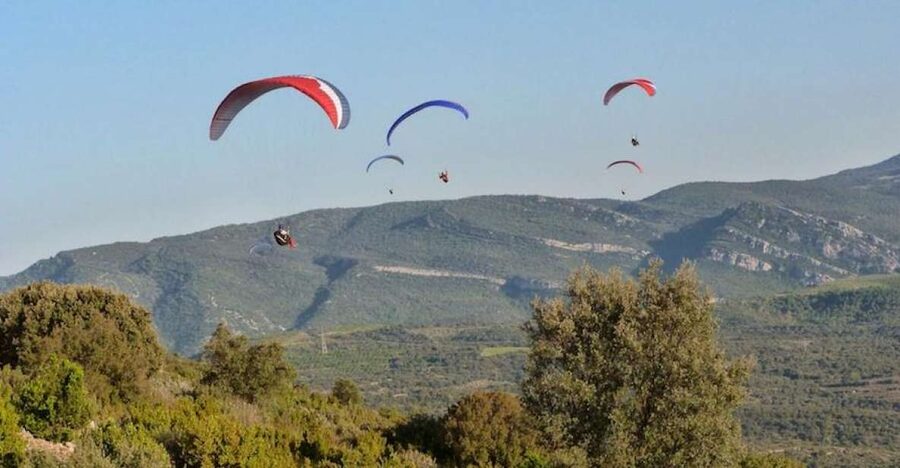
This experience is a great fit if you want the flying feeling without learning to fly. It’s also a good choice if you’re going as a group that wants a private setup, since the activity is listed as a private group and your instructor speaks Spanish and English.
It’s not for everyone. It’s not suitable for:
- Pregnant women
- People with mobility impairments
- People under 120 cm (3 ft 9 in)
- People over 100 kg (220 lbs)
If you fall into one of those categories, don’t try to negotiate it on your own. The constraints are clearly stated for a reason, likely tied to safety equipment, harness fit, and the physical demands of takeoff.
The human part: what makes the flight feel smooth
The strongest praise in the information you have is about the people running the show. One verified booking highlighted Daniel and Daye as outstanding and extremely knowledgeable, and the traveler said it became the highlight of their vacation.
That matters because tandem paragliding lives or dies on communication. If the briefing is clear, the takeoff feels manageable. If the instructor stays calm and explains what to do, you spend more time enjoying the ride and less time worrying about what might happen next.
So if you’re deciding whether to book, look at it as a trust question. This activity is designed so you don’t need training, but you still need strong guidance at the key moments. The named instructors getting high marks is a strong sign you’re in good hands.
Quick practical plan for your day
Here’s a realistic way to think about timing, given the 3-hour duration:
- Meet at Avenida del Mediterráneo 28.
- Do a briefing and gear setup (overalls and gloves).
- Travel to the chosen launch area (Cebreros or Somosierra), about 90–100 km from Madrid.
- Takeoff on a grassy slope with simple run-forward instructions.
- Fly for 15–25 minutes usually, possibly 10–12 minutes if wind is light.
- Return and wrap up within the same 3-hour window.
Because your airtime depends on wind, I’d plan your schedule loosely around it. This isn’t a strict calendar appointment where you can guarantee a long flight.
Should you book this Madrid tandem paragliding flight?
I’d book this if you want a first paragliding experience that’s beginner-friendly, gear-supported, and instruction-heavy at the exact moments that matter. The two launch options (Cebreros or Somosierra) and the stated lack of required experience make it a smart way to cross flying off your list without turning it into a training project.
Skip it if you’re dealing with the listed suitability limits, or if you strongly need a predictable time in the air. The wind-controlled duration is the one variable you can’t control, and the “worst case” airtime is noticeably shorter.
If you want a fun, well-run adventure day with real experts and a clear process, this tandem flight is one of the better bets near Madrid.
FAQ
Where does the tandem paragliding start in Madrid?
You’ll meet at the school at Avenida del Mediterráneo 28, 28007 Madrid.
How long is the experience?
The duration is listed as 3 hours total.
How much does it cost?
The price is $330 per person.
Do I need any prior experience or training?
No. You don’t need former experience, and the pilot gives instructions before takeoff.
How do takeoffs work for passengers?
You’ll receive instructions first. The pilot lifts the glider off the ground, and you run forward without sitting or jumping. If there is little wind, you may not have to run as much.
Where will I fly over?
Tandem flights are usually done in one of two areas depending on wind direction: Cebreros or the mountain pass of Somosierra.
How high and how long is the flight?
Flights are between 600 and 800 vertical meters. Flight time depends on wind strength, typically 15–25 minutes, or about 10–12 minutes in the worst case.
What should I bring?
Bring a windbreaker.
Who can’t do this flight?
It’s not suitable for pregnant women, people with mobility impairments, people under 120 cm, or people over 100 kg. Alcohol and drugs are also not allowed.