REVIEW · LUCERNE
Lucerne: Paragliding Tandem Flights
Book on GetYourGuide →Operated by Switzerland Paragliding · Bookable on GetYourGuide
One hour you’re on solid ground, the next you’re floating above Switzerland. This Lucerne tandem paragliding flight is built for first-timers: a professional pilot runs the show, but you still get a real sense of what flying feels like. I like that the experience is designed to be easy and safe, with a quick start from the cable car and a clear briefing before you launch.
Two big things I’d point you to: first, the views of Lake Lucerne and the Swiss Alps from up high are straight-up unforgettable. Second, the team communicates well—pilots like Pablo and Yaan (and guides such as Toni) are known for double-checking readiness and explaining the plan in plain language. A possible drawback: you’ll need to handle a little extra cost and logistics for getting to the takeoff area since the gondola/cable car there is not included.
If weather shifts, your meeting point can change and the flight timing can depend on conditions. That’s normal for flying, but it does mean you should keep your schedule flexible and be ready for an updated pick-up point the day before.
In This Review
- Key things to know before you go
- Why Lucerne tandem paragliding feels special above the Alps
- Meeting at Luftseilbahn Niederbauen AG: what the start really feels like
- The cable car lift and Canton Nidwalden views before you launch
- Takeoff and those first moments in the air
- Flying over Lake Lucerne or Engelberg Valley: what you’ll actually see
- Taking the controls: how hands-on it really is
- Aerobatics and photos on demand: optional fun without pressure
- Landing and the walk back: keep it simple, keep your feet ready
- Price and value: is $284 for 2 hours worth it?
- Safety, instructions, and why the “easy launch” matters
- Who should book this (and who shouldn’t)
- Language and communication: you won’t be left guessing
- Practical tips so your flight goes smoothly
- Should you book Lucerne tandem paragliding?
- FAQ
- What is the duration of the Lucerne tandem paragliding flight?
- Where does the activity start?
- How long is the cable car part?
- Where will I fly: Lake Lucerne or the Alps?
- Can I take the control during the flight?
- What should I wear and bring?
- Are photos included?
- Is aerobatics available?
- What are the weight limits?
- What languages are available for the instructor?
Key things to know before you go
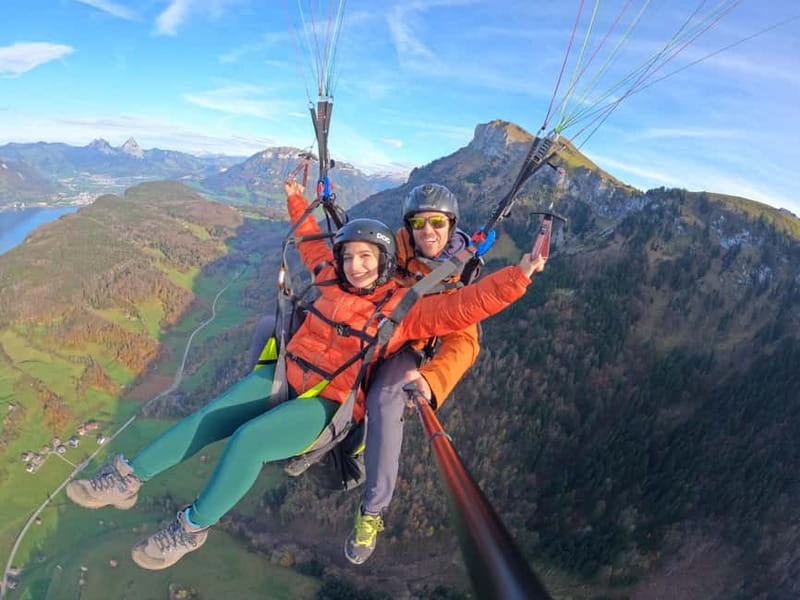
- You fly with a professional tandem pilot who handles the flying while you enjoy the ride.
- Lake Lucerne or the Engelberg Valley are the two main view options, depending on conditions.
- You can take the controls so you get more than just a passenger seat experience.
- You start via the cable car from Luftseilbahn Niederbauen AG, then launch from the takeoff area.
- Small group (max 6 people) makes the briefing feel personal.
- Optional aerobatic moves and photos are available on request (camera gear is included).
Why Lucerne tandem paragliding feels special above the Alps
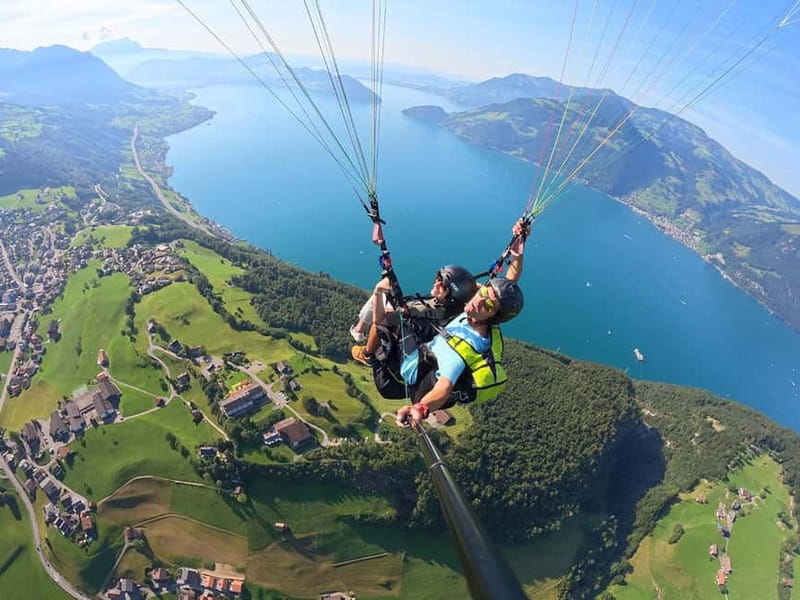
Lucerne is the kind of place where “pretty” turns into “wait, is this real?” once you’re up in the air. From the air, the geometry of the lake, the towns, and the mountain walls looks different—cleaner, sharper, and way bigger than it does from a viewpoint.
In a tandem setup, you’re not signing up for technical training. You’re signing up for a controlled, guided flight where you can focus on the sensations: the wind, the smooth glide, and the quiet moment when you realize you’re actually hanging under a paraglider canopy above Swiss scenery.
And you’re not stuck watching from the sidelines. A big part of the experience is that you’ll have the chance to take the control so you can feel how inputs change the glider’s behavior. It’s not just sightseeing; it’s hands-on understanding—at a level that’s still beginner-friendly.
You can also read our reviews of more tours and experiences in Lucerne.
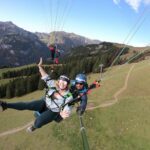
Meeting at Luftseilbahn Niederbauen AG: what the start really feels like
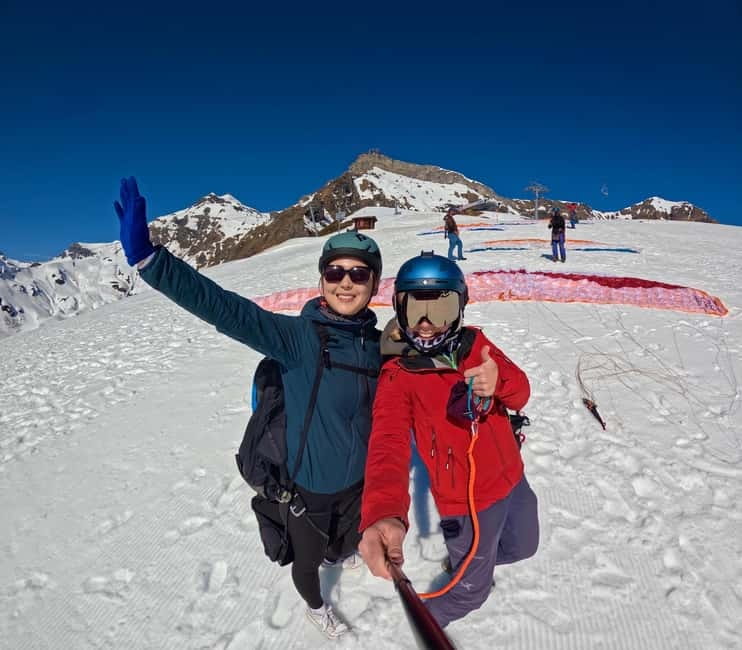
You begin at Luftseilbahn Niederbauen AG. The rhythm is simple: you arrive, get organized, and meet your instructor/pilot group. There’s a flight briefing, and they keep the process straightforward so you’re not standing around wondering what happens next.
From there, you take the cable car up as part of the flow. The cable car ride is short—about 5 minutes—but it matters because it gets you into position and starts the day’s “okay, this is happening” momentum. You’ll also be able to see the area from above before you ever launch.
Two practical points for your day:
- Show up ready to move. You’ll do some walking on uneven outdoor surfaces.
- Keep your expectations focused on the flight. The activity is only about 2 hours total, so it’s not the kind of tour that stretches into a long day out.
The cable car lift and Canton Nidwalden views before you launch
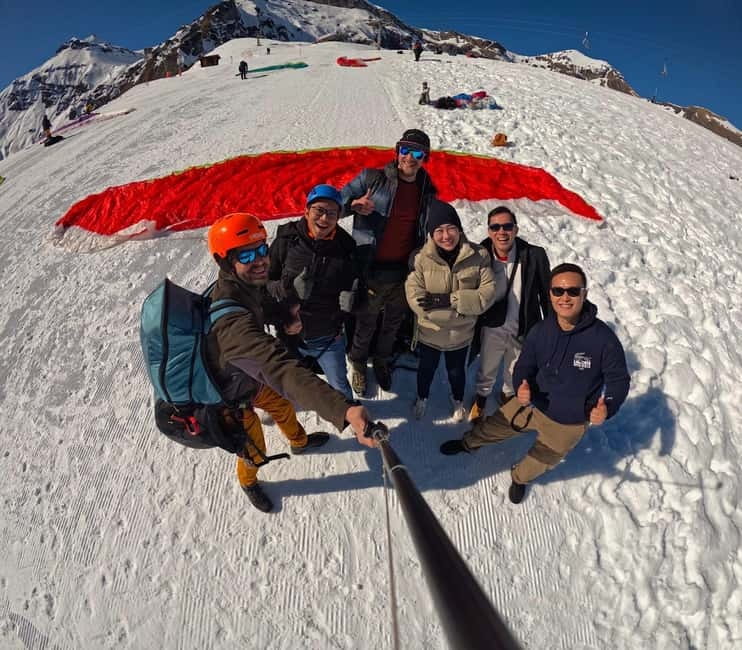
After the initial cable car ride, you get time looking down at Canton Nidwalden and the surrounding region. In plain terms: it’s a warm-up for what’s coming, plus it helps you understand where the flight route is heading.
This part is also a good reality check. Paragliding looks dramatic on video, but the early stages remind you it’s more about calm, glide, and controlled movement than “roller coaster” energy.
One small drawback: because flight conditions matter, what you see and how long you spend in the air can vary. That’s not a flaw in the experience—it’s the nature of flying. If the weather is off, the team’s job is to wait for the right window.
Takeoff and those first moments in the air
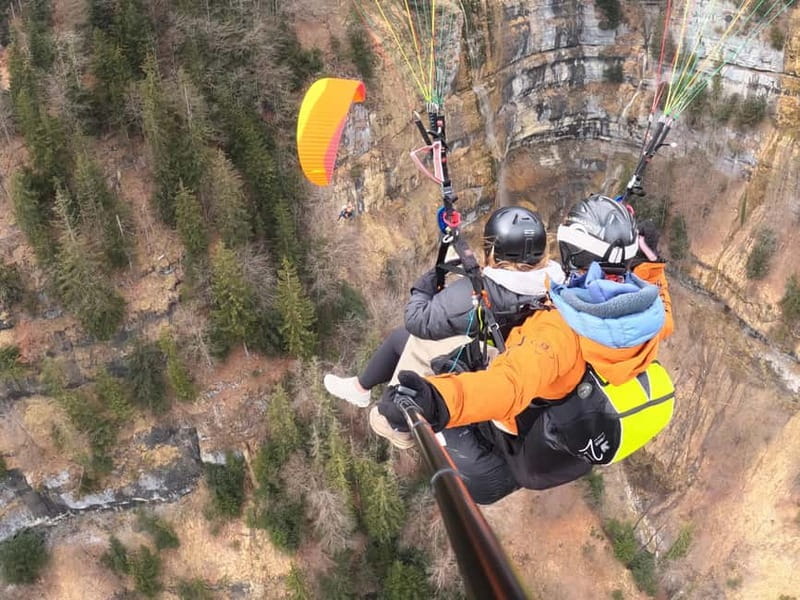
The takeoff process is designed to be accessible. You don’t need special athletic training, but you should be able to run about 20 meters. That’s the basic requirement for a safe, easy launch.
Once you’re moving, the experience switches from “prepping” to “floating.” Tandem paragliding is one of those rare adventure formats where fear usually has nowhere to go. The pilot handles stability and steering, and you’re guided through each step without chaos.
If you’re nervous, this is still a good fit because the team focuses on preparation: they brief you, do readiness checks, and only launch when conditions are favorable. That’s exactly the kind of professionalism that makes a first flight feel manageable.
Flying over Lake Lucerne or Engelberg Valley: what you’ll actually see
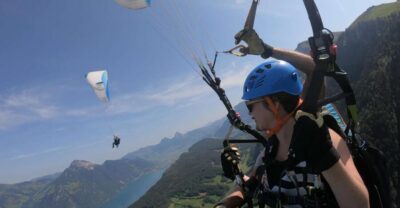
This is the heart of the value. Your flight can be over Lake Lucerne or in the Engelberg Valley, which sits in one of Switzerland’s most famous Alpine settings. Which view you get depends on conditions, but either option is impressive.
Flying above Lake Lucerne is special because the water creates a natural visual reference. You can see how shorelines curve, how towns sit relative to the lake’s shape, and how quickly your perspective shifts when you gain a higher angle. It feels like you’re tracing the region from above.
If you’re sent toward the Engelberg Valley, you’ll get the “mountains you can’t get from the ground” effect. The valley’s structure shows up fast—ridges, folds, and slopes that look gentle from the road suddenly become steep and dramatic in the air.
And here’s why I think this matters for you: you’re not just looking at a single photo-worthy view. You’re getting multiple sightlines as you drift and turn. That variety is part of why people come back from paragliding feeling like the area “makes sense” in a new way.
Taking the controls: how hands-on it really is
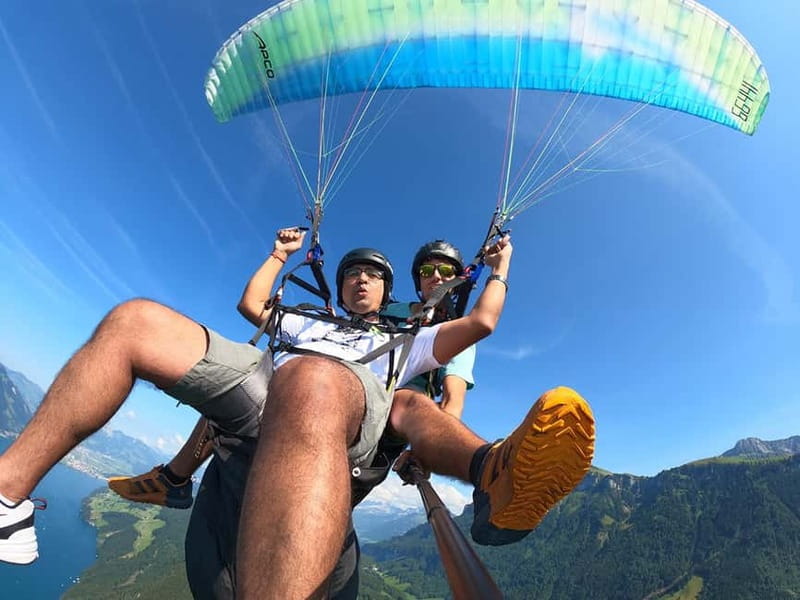
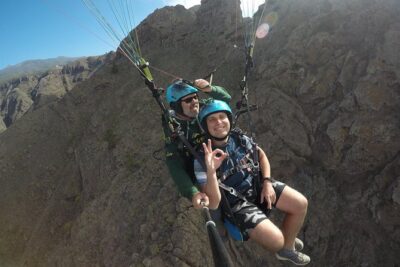
One of the most praised parts of this experience is the chance to take the controls. In a tandem flight, you’re not operating solo, but you can still feel how the system responds to your hands.
What you should expect is guided control: the pilot will show you what to do and how to move your body safely and comfortably. Then you’ll feel the glider react—subtle at first, then clearer once you notice how direction and motion change.
This is a huge difference between “sit and float” and “learn while flying.” Even if you’ll never think of yourself as a paraglider pilot, you’ll leave with a basic understanding of how paragliding turns and balances.
Aerobatics and photos on demand: optional fun without pressure
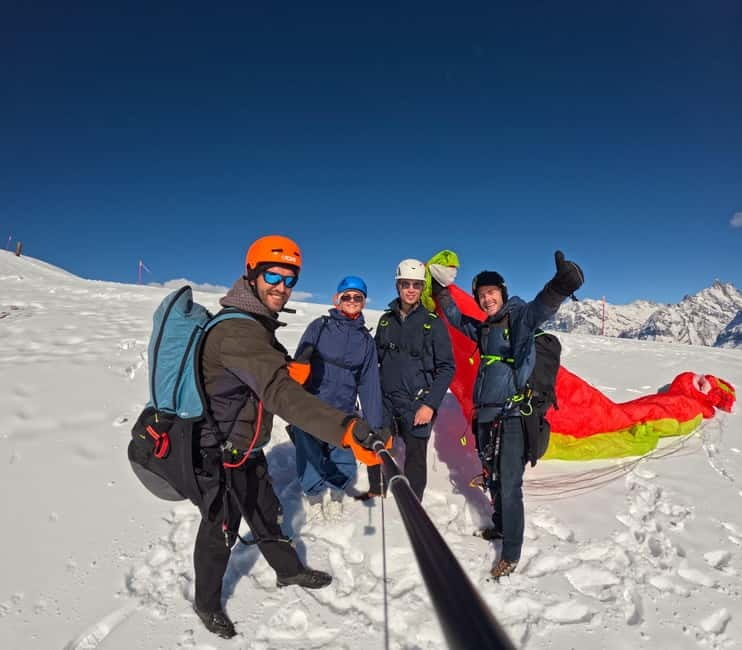
You’ll have tandem gear and a camera included, which means you’re set up to capture the flight. Photos are also available on demand, so if you want to share the moment (or just keep the proof), you can.
There’s also the possibility of aerobatic maneuvers on demand. That’s a nice option if you want more excitement, but it’s not something you’re forced into. You can treat it like a bonus if you’re feeling good in the air.
If you’re the type who likes to keep things calm, this still works. The base experience is already a full flying moment, so you’re not “missing out” if you skip extra moves.
Landing and the walk back: keep it simple, keep your feet ready
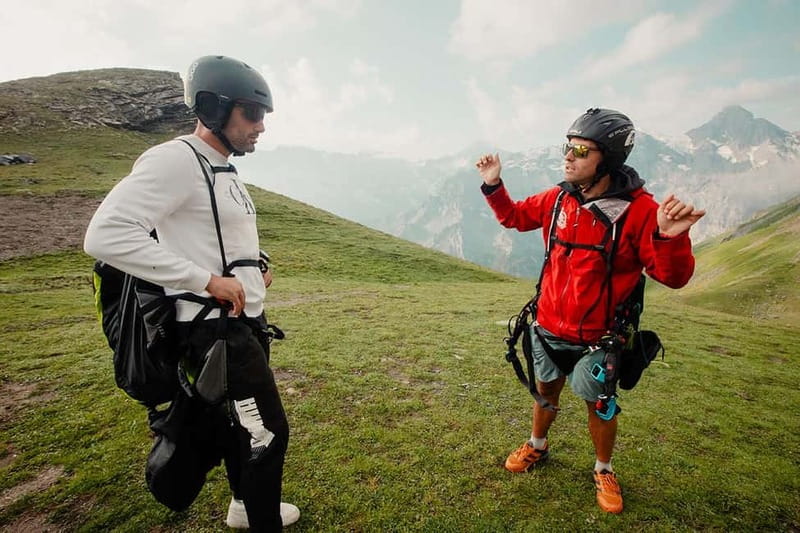
After the flight, you land at the official landing area. Then you walk back to the meeting point. This part sounds minor, but it’s where most first-timers need to be mentally prepared: you’ll be outside, moving at a normal pace, possibly on paths that aren’t smooth like a museum floor.
The landing itself is generally handled by the pilot. Your main job is to stay steady and follow instructions. Once you’re back on the ground, it feels surprisingly normal—until you realize how much you’ll want to talk about what you just did.
Price and value: is $284 for 2 hours worth it?
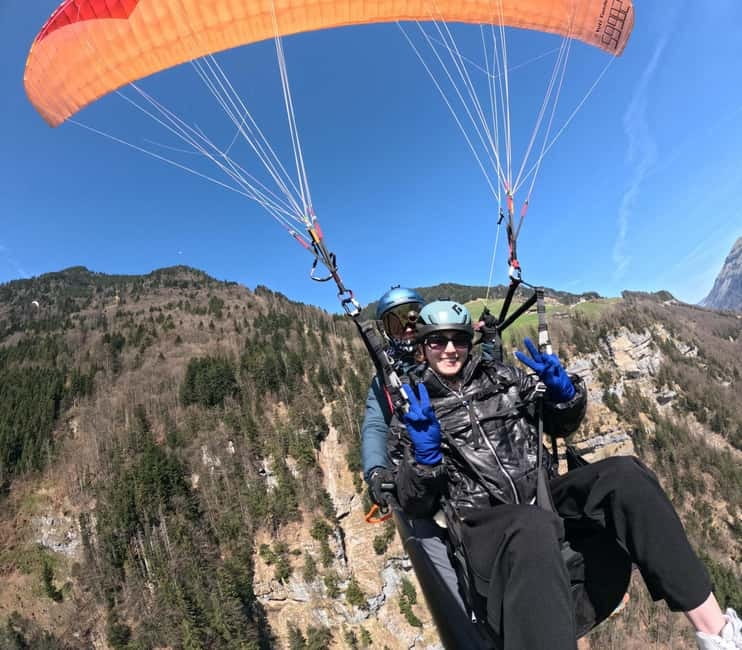
At $284 per person for a 2-hour experience, you’re paying for a trained tandem pilot, tandem gear, insurance coverage, and the reality that you’re launching into the air with professional oversight. That’s the key value point: you’re not buying a generic attraction, you’re buying expert risk-managed flight time.
The included extras matter:
- Professional tandem pilot
- Flight briefing
- Tandem gear and camera
- Third party and accident insurances
One extra consideration: the gondola/cable car to reach the takeoff area is not included, and it’s 15 CH. Shuttle to the meeting point is also not included. So your total trip cost might be a bit higher than the headline price once you account for those pieces.
Even with that, I still think it can be good value if you want a genuine first paragliding experience without dealing with lessons and equipment setup yourself. For many people, it’s also the best “big view” adventure in the region because you get the Alps and lake angles in a single flight.
Safety, instructions, and why the “easy launch” matters
Paragliding is described as a low risk sport, and that matches the tandem format: you’re not flying solo, and the pilot handles the complex parts. The whole operation is built around briefing, gear readiness, and controlled launch and landing.
The “easy and simple takeoff” requirement is also important to you. If you can run 20 meters, the launch can be straightforward. If you can’t, you might run into disappointment, so honestly check your ability before you book.
Also, this is not a solo adventure where you’re guessing your way through the day. The pilot/instructor role is central: they guide you in the moments that matter, so your job is to follow directions and enjoy the view.
Who should book this (and who shouldn’t)
This works best for:
- First-timers who want a full flying experience without training
- People who want big Swiss views—Lake Lucerne or the Alps—from above
- Anyone who likes hands-on moments, because you can take the controls
- Groups who prefer small group attention (max 6 participants)
It may not be suitable for:
- People under 66 lbs (30 kg) or over 254 lbs (115 kg) (weight limits)
- Anyone who can’t run about 20 meters for the takeoff process
Wheelchair accessibility is listed, which is a big plus. Still, because meeting points can vary with weather conditions and because you’ll be outdoors for some time, I’d suggest contacting the provider if you have mobility limitations beyond wheelchair access.
Language and communication: you won’t be left guessing
The instructor/pilot communication includes Spanish, English, and German. That’s a practical detail because paragliding depends on quick, clear instructions—especially for your body position and takeoff readiness.
In the best moments, the communication feels calm, not rushed. Based on what you’ll likely experience with this operator, the team emphasizes explanations and readiness checks, which helps your brain switch from “what if?” to “I get it, I’m doing it.”
Practical tips so your flight goes smoothly
Here’s how to prepare so you feel comfortable right away:
- Wear comfortable clothes and sports shoes
- Ideally choose boots that support your ankles
- If it’s winter, bring a coat and gloves
- Expect to be outside before and after the flight while you walk and move between points
If you hate feeling under-prepared, do a quick mental check before you arrive:
- Can you walk 20 meters at a normal pace, and can you run 20 meters if asked?
- Do you have footwear with good grip?
- Are you okay with the meeting point changing depending on weather conditions?
One more day-of tip: since your meeting point is sent the day before based on weather, watch your messages and plan to stay reachable.
Should you book Lucerne tandem paragliding?
If you want one Swiss activity that’s equal parts view, sensation, and real-life wonder, I’d book it. The combination of a short, well-run program, pro tandem handling, and the chance to take the controls makes this more than a photo stop. You get time in the air over Lake Lucerne or the Engelberg Valley, and you leave feeling like you truly experienced the region from above.
Book it if:
- You’re fit enough to handle the takeoff run requirement
- You want small-group attention (max 6)
- You’d enjoy the option for photos and possibly aerobatics on demand
Skip it if:
- You’re outside the listed weight limits
- You can’t manage the basic run needed for takeoff
- You prefer highly predictable logistics with no weather-dependent changes (meeting points can shift)
FAQ
What is the duration of the Lucerne tandem paragliding flight?
The total experience lasts about 2 hours.
Where does the activity start?
It starts at Luftseilbahn Niederbauen AG.
How long is the cable car part?
The cable car ride is listed as 5 minutes.
Where will I fly: Lake Lucerne or the Alps?
You’ll fly in the Lucerne region either above Lake Lucerne or in the Engelberg Valley, depending on weather conditions.
Can I take the control during the flight?
Yes, you have the possibility to take the control of the glider and feel how to fly it with the tandem setup.
What should I wear and bring?
Wear comfortable clothes and sports shoes, ideally boots that support your ankles. If it’s winter, bring a coat and gloves.
Are photos included?
Tandem gear and a camera are included, and photos are available on demand.
Is aerobatics available?
Aerobatic maneuvers are possible on demand.
What are the weight limits?
The experience is not suitable for people under 66 lbs (30 kg) or over 254 lbs (115 kg).
What languages are available for the instructor?
The instructor is available in Spanish, English, and German.